From Energy Modelling to Incentives: How RETScreen Supports Smarter Building Upgrades

Engineers provide RETScreen expertise to compare, fund building upgrade scenarios
To help owners and operators invest in smart building upgrades – an essential part of achieving Canada’s emission reduction targets – the federal government has created software that enables low-cost energy planning, implementation, monitoring, and reporting.
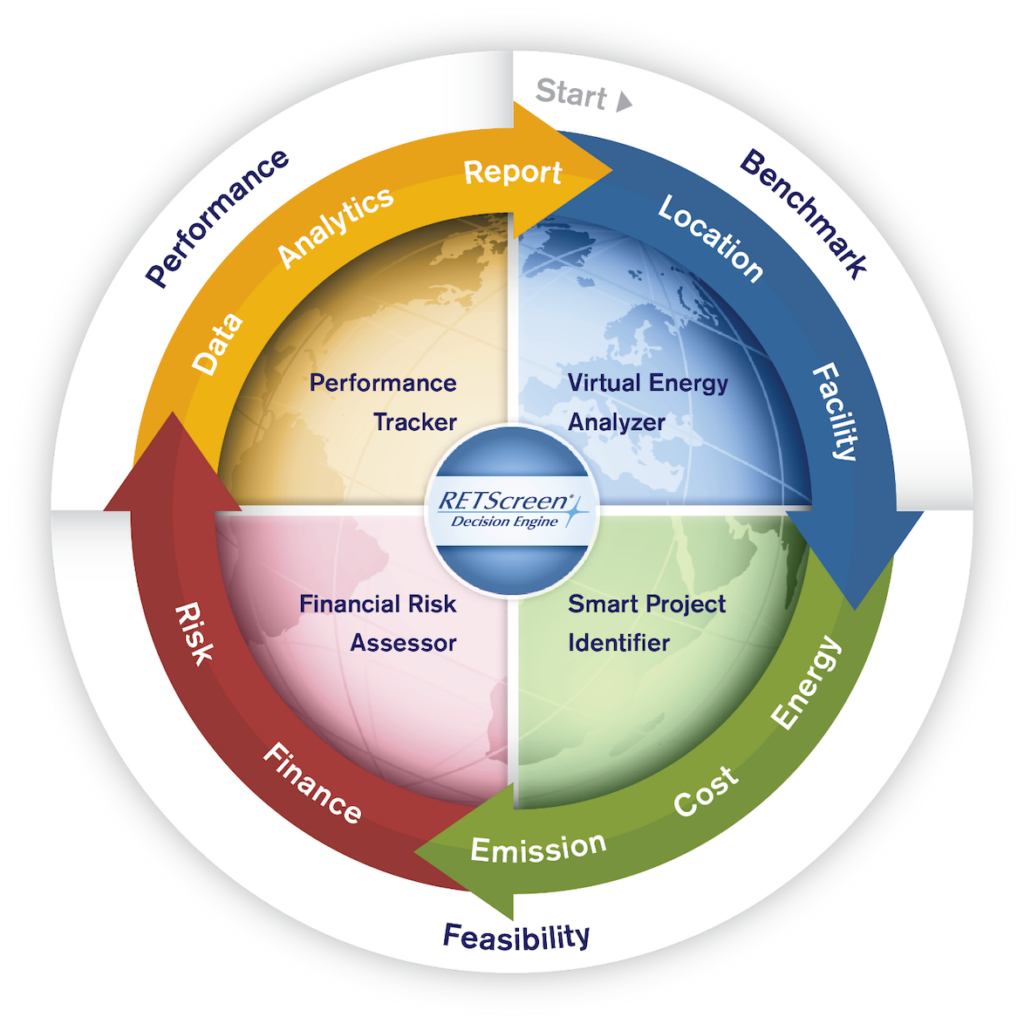
RETScreen® Clean Energy Management Software can be used to guide energy and carbon reducing projects – for both single buildings and across portfolio assets – informed by relevant data and project modelling.
These models can be used to analyze options to create a more efficient building and achieve long-term operational savings, while positioning projects to access early-stage funding through programs like Ontario’s Save on Energy initiative.
How RETScreen supports energy and carbon reducing projects
RETScreen evaluates both the technical and financial performance of building upgrades.
It uses inputs including building size, system type, operating schedules, and local climate data to simulate how a building would perform under different scenarios, evaluating potential energy consumption, emissions, and operating costs.
Whether it’s planning a new build, retrofitting an existing building, comparing energy performance, or establishing baseline data, RETScreen provides a reliable framework to support informed decision-making and rule out less efficient approaches.
The software also translates those results into financial terms, essentially integrating engineering data with fiscal outcomes.
Why accurate inputs matter
The value of any energy model depends on the quality of the inputs. Software, like RETScreen, can quickly complete detailed calculations however, the results are only meaningful when they are based on reliable building data.
Engineering firms like Pretium work with building owners and operators to define these inputs by collecting detailed information about the building’s construction, mechanical and electrical systems, and operation (schedules, set points, etc.). This typically includes a site visit, review of available documentation, interviews with operations staff, and analysis of 24-36 months of historical utility data.
This thorough approach results in a model that more accurately reflects the actual building performance which in turn improves confidence in the projected energy savings. By modelling multiple retrofit scenarios, the model can be used to identify the most effective improvement opportunities and ultimately, can be used for funding applications.
Work with experts to get the most value out of RETScreen and plan smarter building upgrades
RETScreen is a powerful tool, but we wouldn’t call it intuitive as it requires training and experience to be used effectively.
That’s because data input and modelling is only part of the process. Interpreting results, testing scenarios and aligning outputs with incentive criteria requires a strong understanding of both building systems and specific program requirements.
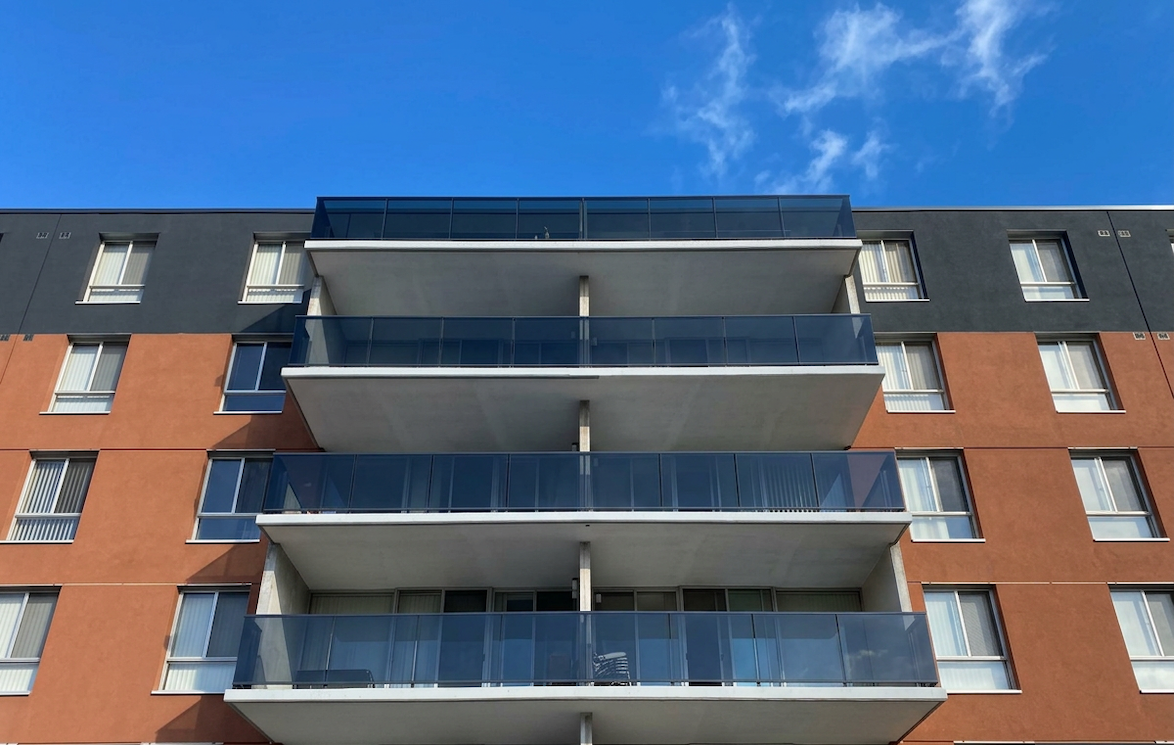
Pretium recently completed an overcladding and window replacement project for a client. The building is a 29-storey multi-family building in Toronto that was experiencing localized air and water leakage, cladding deterioration, and poor thermal performance. The building is heated with electric resistance baseboard heaters, making thermal performance and air tightness improvements particularly important. To evaluate the proposed retrofit and support an application for funding through the Save On Energy program, an energy modelling study was completed using RETScreen Expert.
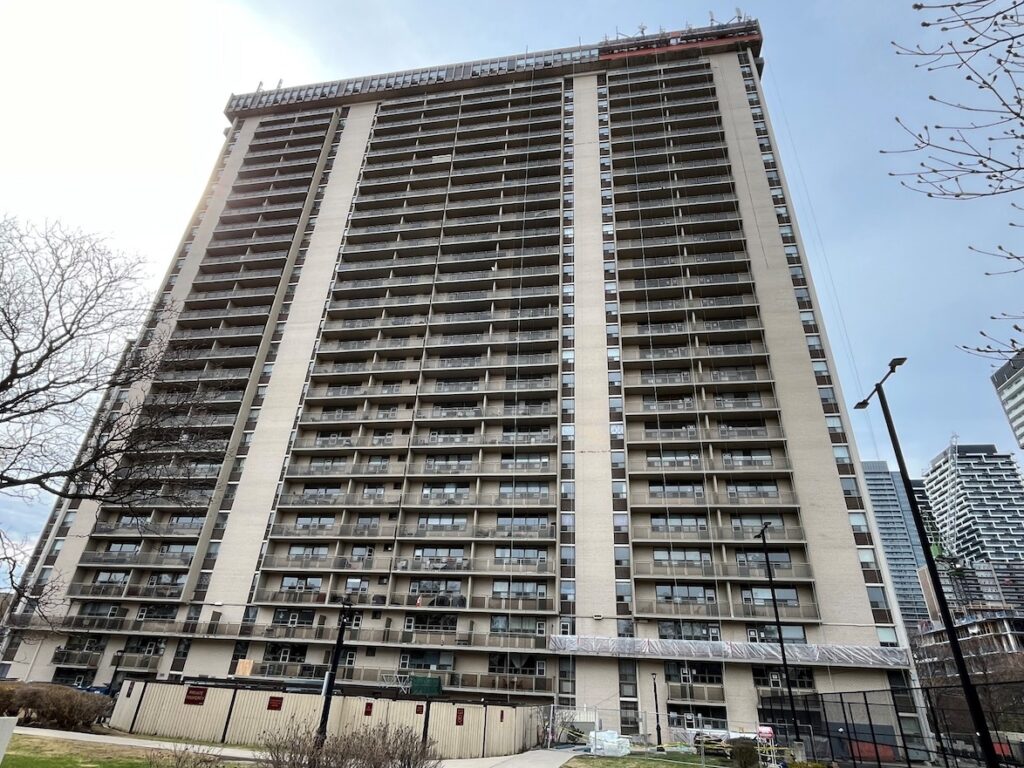
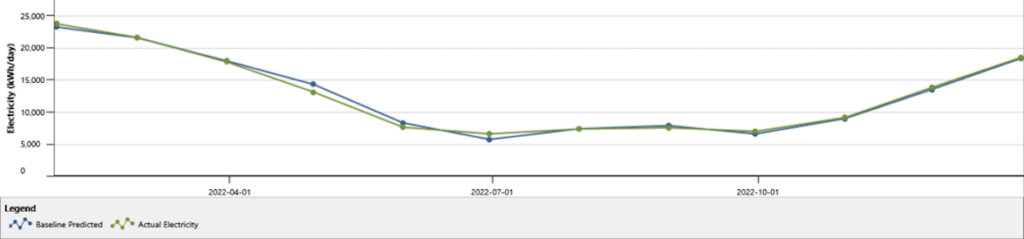
First, we developed a calibrated baseline energy model. A site visit was completed to collect all the pertinent building information, including measurements, assembly types and thicknesses, mechanical systems and their performance ratings, and operational data. Because no building drawings were available, these observations were critical for establishing accurate modelling inputs. Two years of electricity and gas data was uploaded to the model and used for calibration, to ensure that the predicted energy use closely matched the building’s historic performance.
As part of that calibration process, a regression analysis was completed to evaluate the relationship between weather conditions and building energy consumption. It demonstrated a strong correlation between energy consumption in the building and heating demand, which suggests that improvements to the thermal performance of the building enclosure would translate into energy savings.
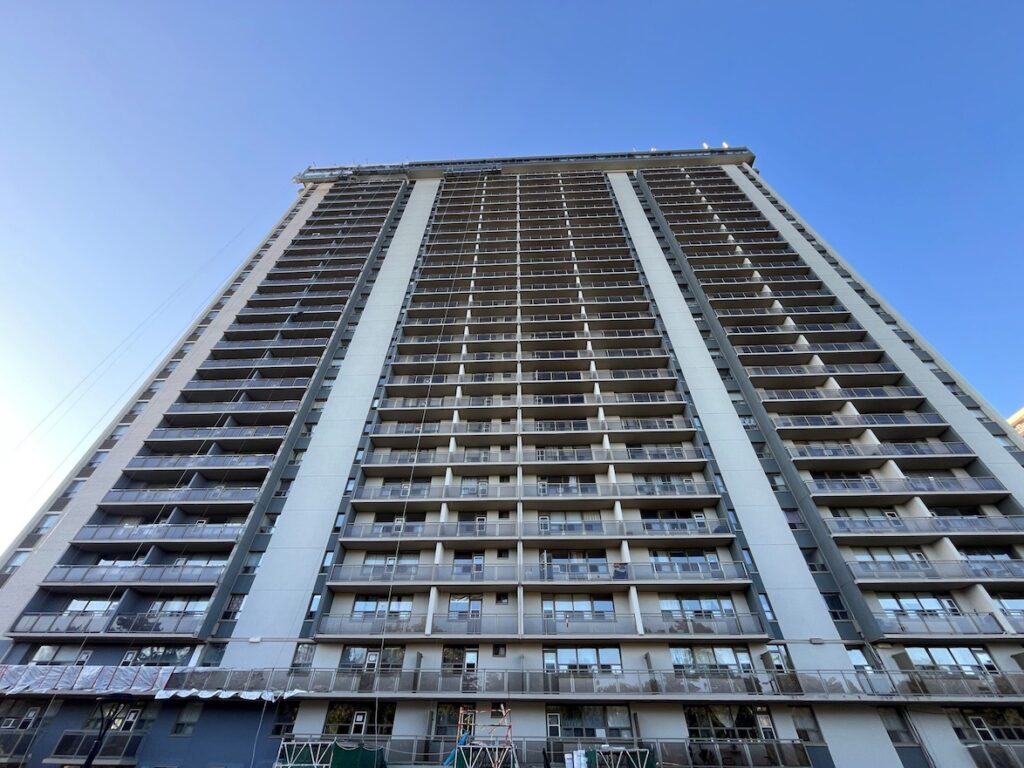
Ultimately, the retrofit included the addition of 3 inches of EPS insulation on the exterior walls and 2 inches on shear walls. RETScreen predicted an annual electricity savings of approximately 831,000 kWh, which supported a Save On Energy incentive pre-approval of approximately $108,000. In addition, the projected energy savings were estimated to reduce the annual energy costs by approximately $127,000. The modelling helped demonstrate both the energy and financial benefits of the proposed project.
This case study is just one example from a portfolio of 13 buildings where we used RETScreen to model potential projects. Of those, seven projects were eligible for an incentive through the Save On Energy program and we worked with the client to submit applications that have been pre-approved for a total of over $300,000 in incentives.
With a Certified RETScreen Expert (CRE) on staff, and an Energy and Carbon Reduction team with a wealth of modelling experience, Pretium can help clients get the most value out of the RETScreen software.
From initial assessment through to incentive application, we’re helping clients successfully structure projects that meet their energy efficiency goals – and fund them.
The RETScreen® Clean Energy Management Software platform enables low-cost energy planning, implementation, monitoring and reporting.
RETScreen Expert is an all-in-one platform available in Viewer mode free-of-charge. Premium features are available in Professional mode by purchasing an annual subscription.
For more information on RETScreen, please visit this link, or view the introductory video below:
https://youtu.be/wa30PZQRGzw?si=_JwfS2P26oN9aAGs