Partner with Qualified Building Consultants to Strengthen Your Reserve Fund Planning
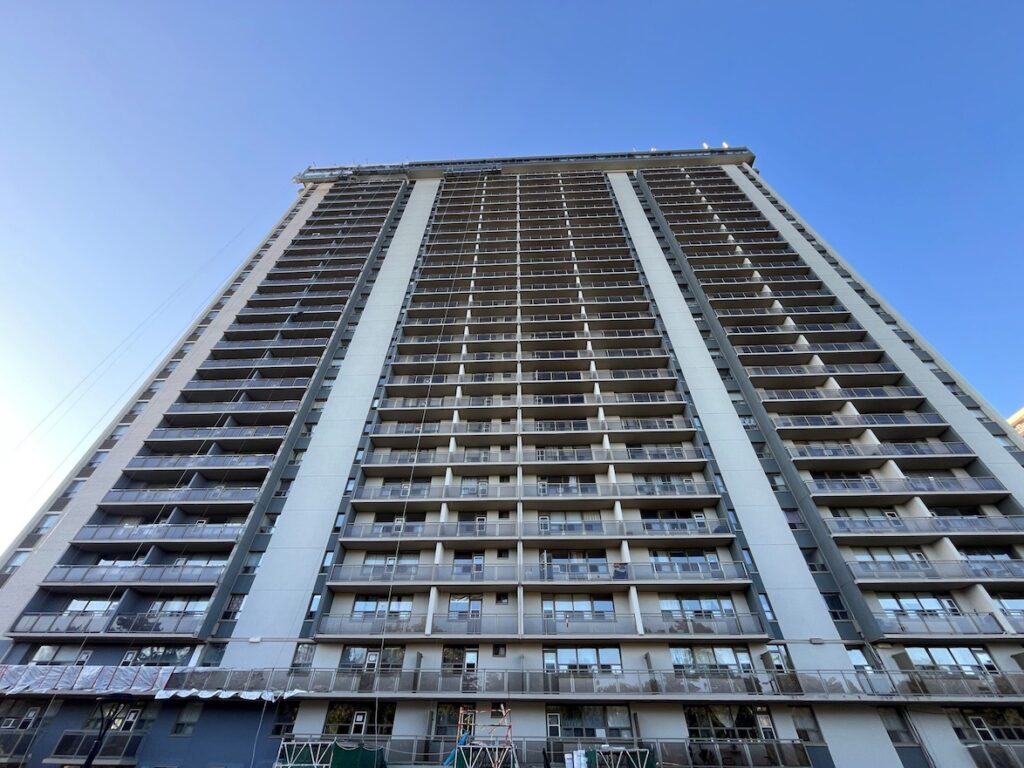
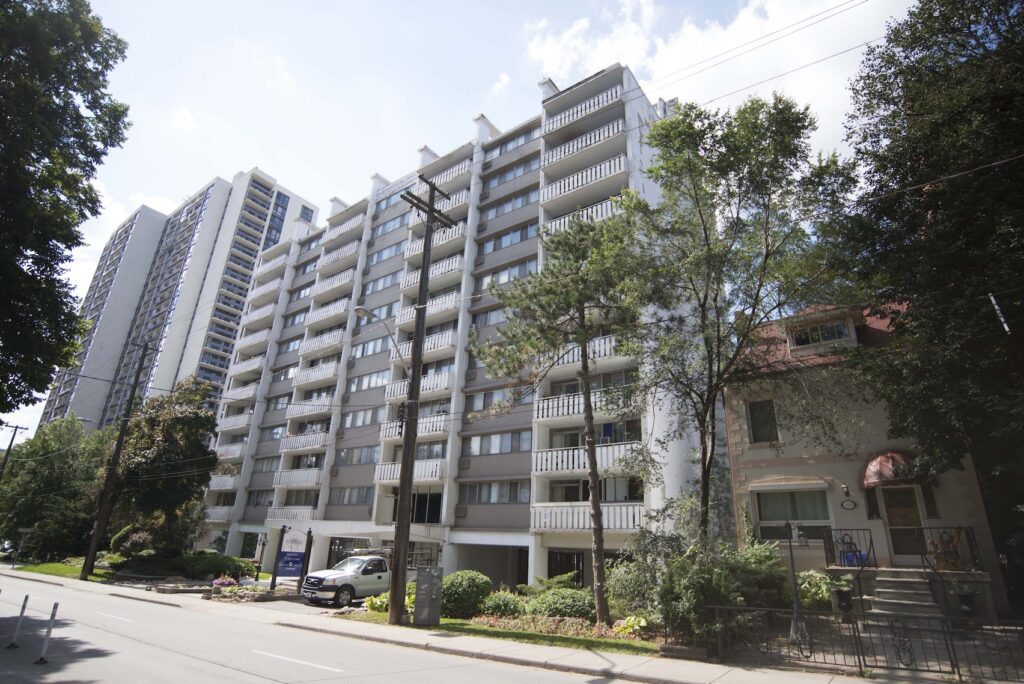
For condominium owners and board members in Ontario, a Reserve Fund Study (RFS) is about more than just financial forecasting; it is a legislated requirement and a cornerstone of responsible building management. Properly conducted, it provides the roadmap for sustaining your property’s long-term financial health while protecting owners from unexpected costs.
What is a Reserve Fund?
A condominium’s reserve fund is a dedicated account used exclusively for major repairs and replacements of common building elements. Each unit owner contributes through their monthly condo fees, creating a collective financial safety net.
By engaging a qualified consultant with expertise in both financial forecasting and building science, condominium corporations can ensure that their RFS is accurate, comprehensive, and tailored to their building’s unique needs. This protects the property and gives peace of mind to every owner.
What Does a Reserve Fund Study Include?
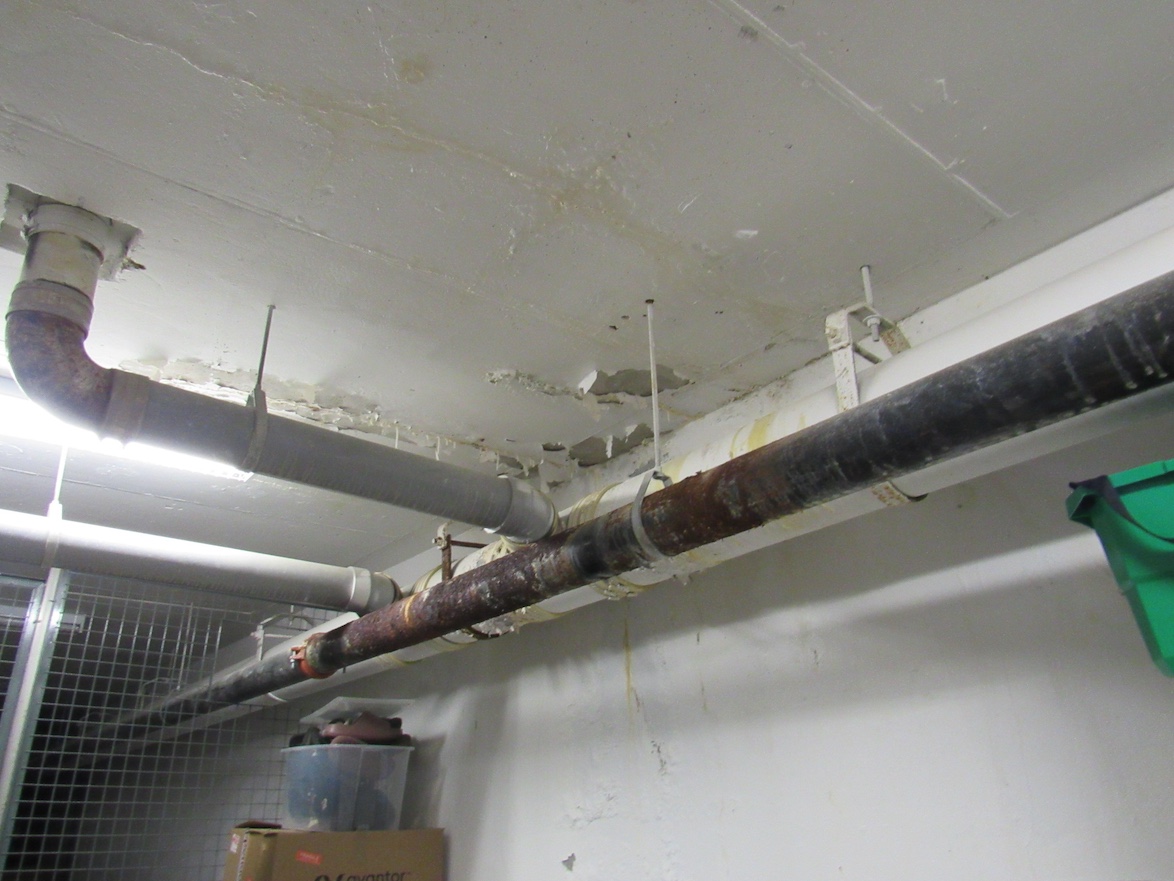
A Reserve Fund Study covers all major common condominium elements, including roofing systems, windows, cladding, elevators, HVAC, electrical, plumbing and parking structures. Each component is assessed for its current condition relative to its expected life cycle and projected repair and replacement costs are prepared.
In addition to the physical condition assessment of the building elements, condo corporation’s governing documents, financial records, and various legal agreements are also reviewed. This information is combined into a 30-year financial plan that accounts for inflation and potential market volatility, allowing boards to budget and plan strategically.
This planning approach helps minimize the risk of Special Assessments and Emergency Loans. This can protect the owners from sudden financial shocks and high borrowing costs for urgent and essential repairs.
Legal Requirements in Ontario
Under Section 94 of the Ontario Condominium Act, 1998, Reserve Fund Studies are legally required for every condominium corporation, whether they are residential, commercial, industrial or mixed-use.
Class 1: A comprehensive baseline study which includes a physical inspection of the property, document review to verify corporation records, and interviews with the corporation’s representatives.
Class 2: An update to Class 1 study which includes a site visit and is completed every six years.
Class 3: A study without a site visit to update financial forecasts, which must be completed every three years between Class 2 updates.
Regardless of the class, all studies must be carried out by qualified professionals, such as licensed engineers or other regulated building professionals.
Why Reserve Fund Studies Matter
Beyond legal compliance, a well-planned RFS offers significant benefits:
Stable condo fees: By balancing adequacy and affordability, corporations can meet long-term obligations without overburdening owners in the present.
Enhanced property value: A healthy reserve fund improves a condominium’s marketability, appealing to buyers, lenders, and insurers.
Stronger community trust: Transparent planning fosters accountability, ensuring boards act in the best interest of owners.
The Pretium Advantage
At Pretium Engineering, we combine our engineers’ and technologists’ expertise across service areas to deliver Reserve Fund Studies that are both technically rigorous and financially precise. This multidisciplinary approach to RFS ensures that projections remain realistic and funding plans are sustainable. We also work directly with the Property Managers and the Boards to ensure our recommended plan aligns with their goals.
Conclusion
A Reserve Fund Study is not just a regulatory requirement; it is a vital planning tool that safeguards your property, your investment, and your community. By partnering with experienced professionals like Pretium, condominium corporations can confidently prepare for the future and ensure financial stability for decades to come.
A Window Into How Pretium Minimized Disruptions While Renovating the Rosedale Glen Condos
There’s no easy way around it – carrying out window wall and other fenestration replacements at a multifamily building, while essential to maintain the safety, energy efficiency, and aesthetics of multifamily buildings, can be disruptive to property managers, condo boards, and especially residents.
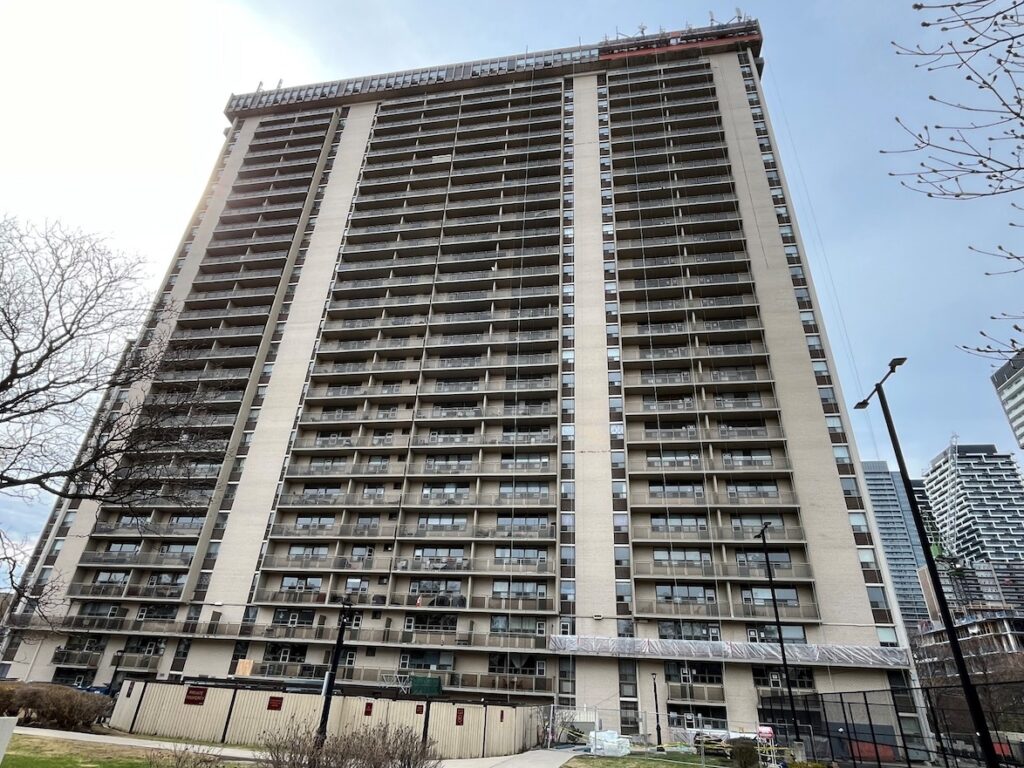
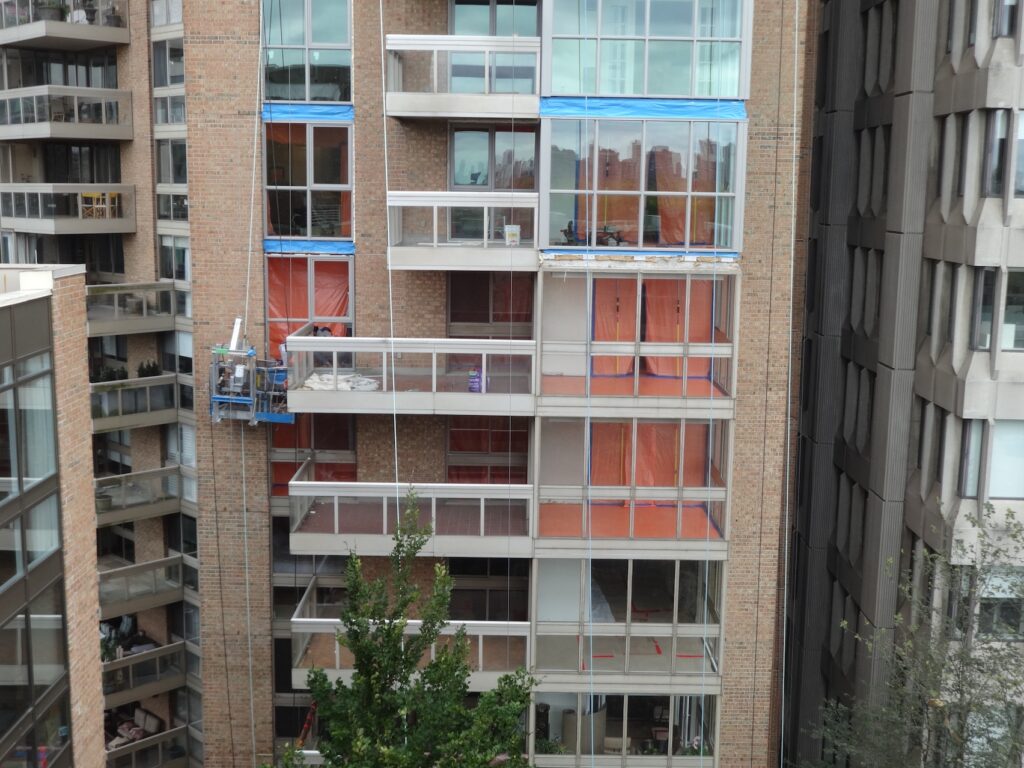
That’s how Pretium Engineering managed our window wall replacement program at the Rosedale Glen Condos, a then 40-year-old development near Mt. Pleasant Road and Rosedale Valley Road in Toronto, Ontario.
This post will explore the details on how we kept residents in place and managed the budget while conducting a complete replacement program throughout the building’s two towers.
1. Understanding the Assignment Before Taking Action
A solid understanding of the project requirements is integral to minimising disruptions due to work. This preparation goes far beyond the typical reserve fund study (a high-level look for the purposes of capital planning) which is insufficiently detailed to adequately plan for such large capital undertakings.
A component specific condition assessment was undertaken to take a deep dive into the condition of the windows to understand their current condition and unique problems to develop a site-specific repair plan, associated budget forecast and building out of replacement timelines.
This process is best completed a minimum of five years before the scheduled replacements to provide time for capital contributions of the building residents to be modified to suit the budget forecast input into the buildings reserve fund plan. Due to site-specific concerns, this process needed to be accelerated which required effective communication between the residents and condo board to swiftly implement the replacement program.
To reduce potential for future project delays, we did not limit our interior review of the window system to a handful of suites. We reviewed all of the condos’ 180 suites, examining the state of sliding doors and window walls. We identified the existing insulation system and how it interacted with the original glazing system, made from aluminum-framed window walls with a combination of fixed insulated glazing units and single pane horizontal sliders.
This information was valuable during the design process but proved invaluable during the construction process. A true understanding of the assignment to work within an occupied residential building requires an understanding of each unique suite. Reviewing all suites prior to the work created a database of unique conditions (cabinets in front of windows, mirrors adjacent windows, custom trim work, etc.) which were communicated with the contractor early to reduce costly delays.
Once this thorough investigation was complete, we determined that we would need to remove and dispose of all existing windows, doors, spandrels, interior drywall at the jambs, ceiling finishes at the head, flooring at sills, and accessories. Additionally, we identified unique conditions which would have a significant impact on project cost if not given due consideration during the design process.
For example, the original window system was an early version of a curtain wall system. Changing the building to a window wall system, as necessitated by site conditions and budget, provided unique challenges which needed to be appropriately managed to achieve project schedule, budget, and long-term performance.
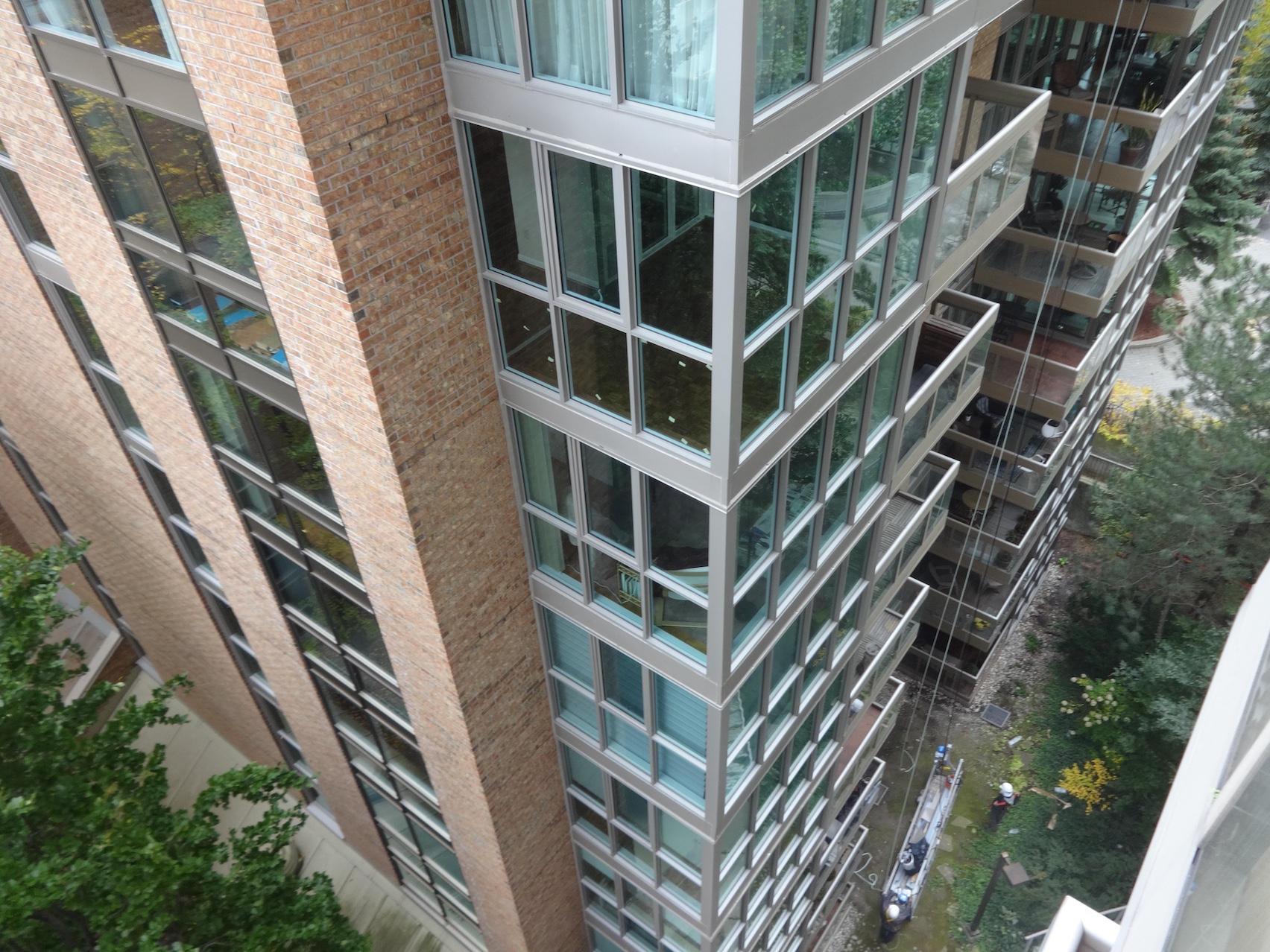
Armed with information, we designed a renovation program to install new aluminum-framed systems at all windows, doors, and spandrels within the existing residential building.
2. Managing and Communicating Expectations
The process of assessing the building took time, but it was this exploratory period that allowed us to accurately forecast project costs and plan the job in such a way to minimize disruption to residents, a primary constraint of the building stakeholders.
At Pretium, we intentionally design replacement programs around minimizing resident disruption. To achieve this goal, we coordinated with the contractor to schedule and phase the work so that we replaced all elements within a suite concurrently. Through simultaneous work, access periods and associated disruption to each suite was minimized. Such scheduling is important, yet difficult to achieve and requires foresight and diligent execution by the project team to navigate roof anchor limitations, power supply, security, and other practical considerations.
With the help of property management, an information session was held with building residents to communicate expectations of the project early. Residents were further informed about impending renovations on a week-by-week basis, communicating regularly as the program progressed to allow each Suite to prepare accordingly.
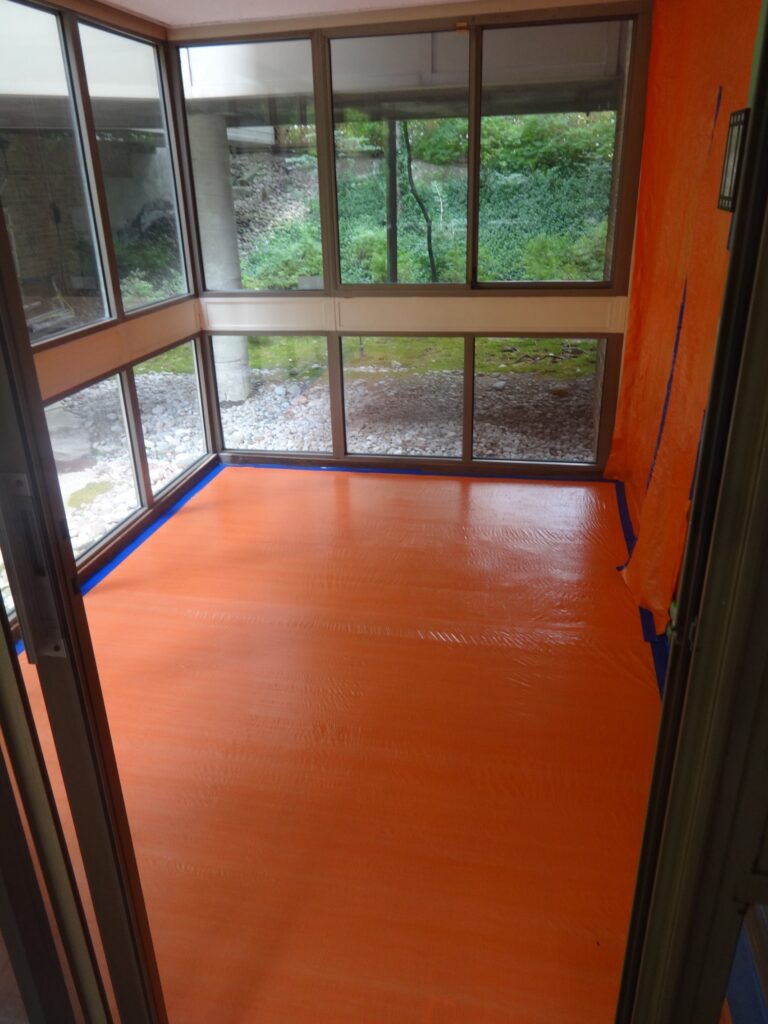
Through effective communication leading up to the time of replacement, once the contractor knocked on their door, the suite was prepared for a window replacement and the suite resident made plans to vacate the suite for the day. The process was optimized to keep each resident out of the suite for one day with the suite always habitable at the end of each workday: no inconvenience of costly offsite lodging requirements for the residents. Through concurrent window and sliding door replacements, each suite was limited to a 10-working day window from the moment the contractor knocks on the door to the time they say their goodbye to a finished interior.
This communication system prepared the stakeholders for a dynamic schedule that evolved as complications arose – and they always will. A successful project is one which can accommodate the unexpected. Examples of situations which required accommodation were changing access and mobilization area limitations, concealed slab edge conditions with a dash of a global pandemic for good measure. Execution of such a technically complicated project which required the aging population of the building to safely vacate the suites during periods of COVID, all while maintaining the pre-COVID budget is perhaps the greatest testament possible for effective communication.
3. Working Smarter, Not Harder
As the financial authority, the condo board’s main concern for this project was associated costs keeping the required special assessment for the residents reasonable. Pretium takes a realistic financial outlook for any of our projects; it would be a disservice to all parties to underestimate the project costing even if this leads to difficult conversations. Pretium manages expectations by requiring the board to allocate contingency allowances or prepare to access condo reserves if circumstances require the budget to increase.
The long-term performance of any window system directly depends on how the window is tied into the adjacent building elements. The conventional tie-in details for these window systems would require the removal of all balcony railings and the existing brick adjacent to the windows which would carry a cost of several million dollars.
Through smart, well conceived detailing, Pretium was able to develop tie-in details to allow for tie-in to adjacent systems which remained in place without sacrificing long-term performance. By working smarter, Pretium was able to make this program financially viable for the residents of Rosedale Glen.
4. A Winning Window Replacement Strategy
Over the course of three COVID-filled years, the project team completed approximately 4,080 m2 of window wall, door, and accessory replacements throughout the Rosedale Glen Condos.
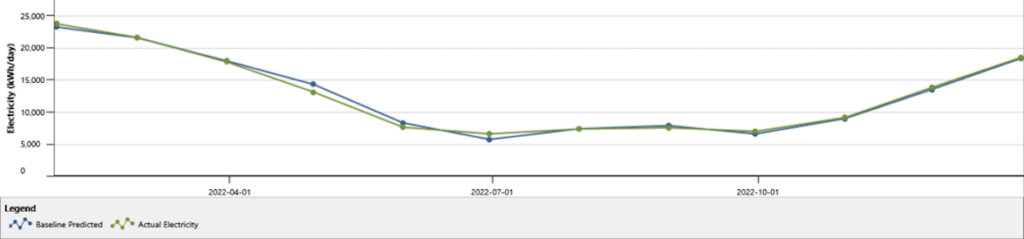
Through our developed fenestration renovation program, we effectively increased the building’s thermal performance, improved air tightness, and reduced annual energy costs. Past complaints of thermal discomfort during the shoulder seasons have been addressed and the interior aesthetic was significantly improved leading to positive impacts to resale values and quality of life for the residents of the building.
Methodical preparation and constant communication allowed us to keep property managers abreast of developments. It also helped us to find cost savings while improving the exterior aesthetic of the building – a delight to all, but especially, to the condo board.
We kept residents happy and in their homes both during and after the work was carried out. This is always an important consideration made more significant considering execution during a global pandemic. Surveys completed after the upgrades found that residents had an improved sense of comfort in their suites – the highest praise we could expect for a job well done.