Multi-Disciplinary Engineering Teams: Why It’s Always Better When We’re Working Together

Energy and Carbon Reduction Deep Energy Retrofit

How a Multi-Disciplinary Engineering Team Helps Deliver Successful Projects

When a building owner sets ambitious goals—like cutting energy consumption by more than 50% and reducing greenhouse gas emissions by 85%—those results don’t happen by chance. They require a team of specialists, like a multi-disciplinary engineering team, working side by side, who can tackle every angle of a complex retrofit in-house.

The Power of a Multi-Disciplinary Engineering Team

At Pretium Engineering, we bring mechanical, electrical, structural, building envelope, and energy modelling expertise under one roof. This breadth of capability makes us a true one-stop shop for engineering needs—whether it’s restoration, deep energy retrofits, or new construction.

Instead of juggling multiple firms and consultants, our clients benefit from seamless collaboration. When our teams work together from the outset, we’re able to:

  1. Streamline Project Delivery
    With all disciplines in-house, communication is direct and ongoing. This avoids the delays of coordinating across external consultants and keeps projects moving smoothly from concept to construction.
  2. Reduce Surprises and Extra Costs
    Our engineers share a common understanding of the project scope, so design conflicts are resolved early—before they lead to costly change orders during construction.
  3. Deliver Better Long-Term Performance
    By coordinating envelope and mechanical solutions alongside structural and electrical considerations, we design strategies that improve durability, optimize efficiency, and meet evolving performance standards such as Passive House, B19, and Energy and Water Reporting and Benchmarking requirements.

Simply put, our multi-disciplinary engineering team’s approach means fewer gaps, fewer headaches, and better outcomes.

Case Study: 71 Sanford Avenue, Hamilton

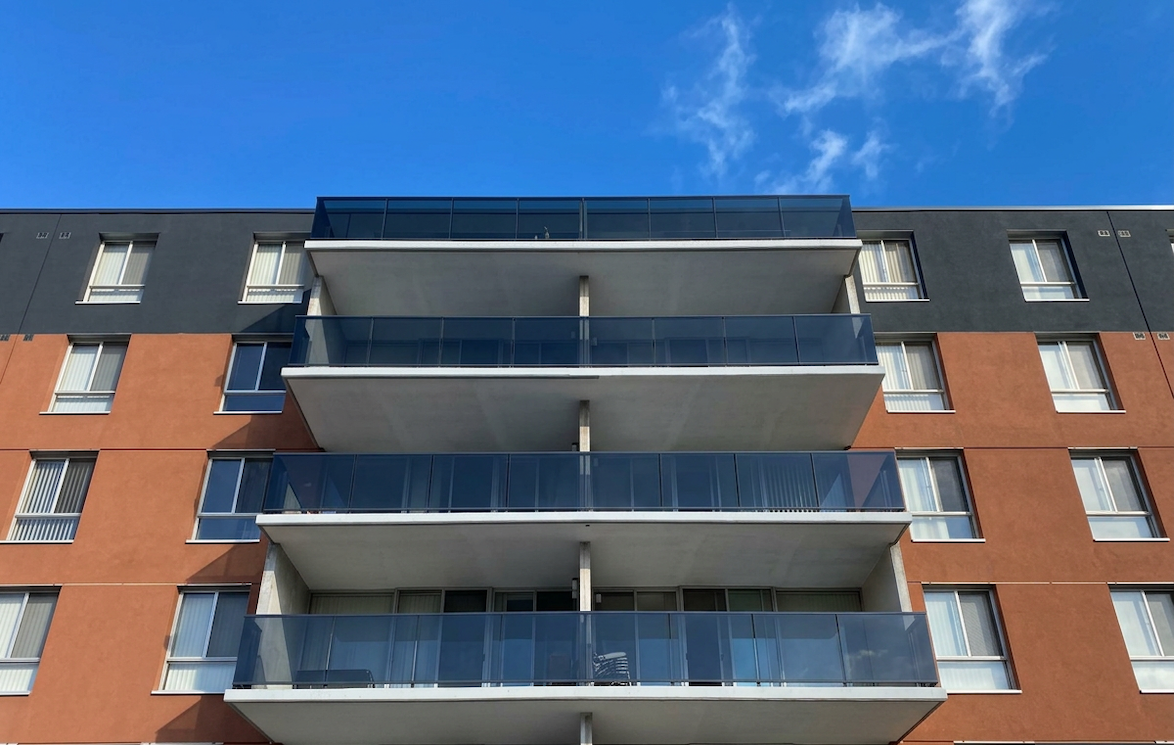
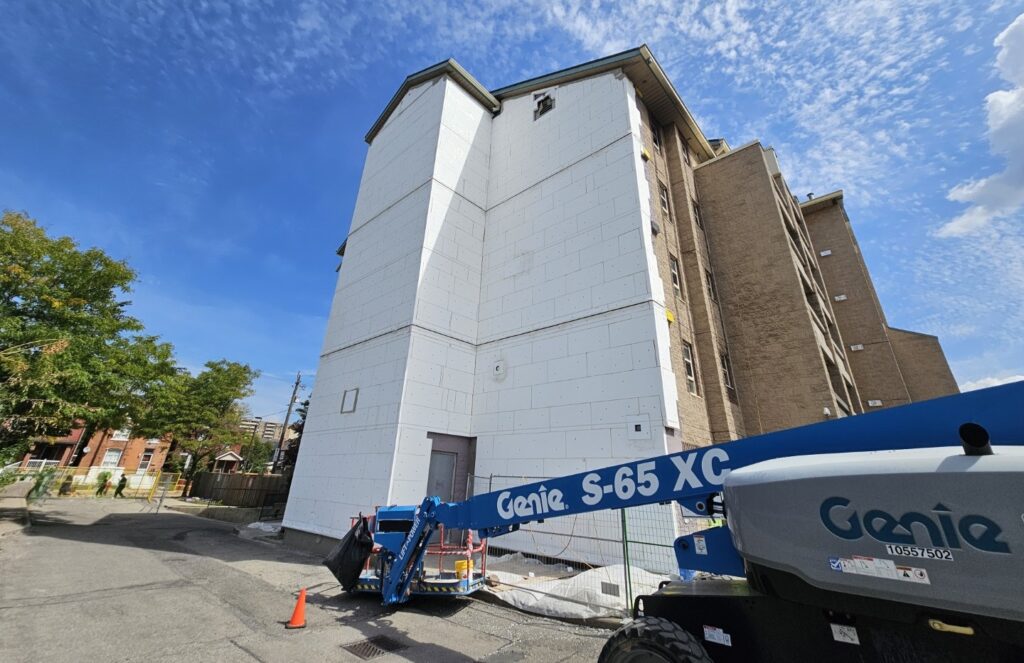
A strong example of Pretium’s multi-disciplinary approach is the deep energy retrofit underway at 71 Sanford Avenue North.

A strong example of Pretium’s multi-disciplinary approach is the deep energy retrofit underway at 71 Sanford Avenue North, a six-storey, 57-unit non-profit housing complex built in 1993. In addition to the residential units (six one-bedroom and 51 two-bedroom suites), the ground floor includes 10 assisted-living rooms leased and operated by others. The building’s total area is approximately 69,500 ft² (6,450 m²), excluding the underground parking garage. Major mechanical systems—including heating boilers, domestic hot water boilers, and a make-up air unit—are housed in a rooftop penthouse, with additional mechanical and electrical spaces located in the basement.

For this project, our team began with a detailed review of all drawings and design documents. Using the IES Virtual Environment software platform, our in-house energy modellers developed a comprehensive whole-building energy model to evaluate a range of energy conservation measures (ECMs). The goal was to identify a package of measures that would achieve the Canada Greener Affordable Housing (CGAH) program requirements: a 70% reduction in site energy use and an 80% reduction in GHG emissions, relative to pre-retrofit performance.

Once a compliant retrofit package was established, Pretium prepared full design and bid documents for the proposed measures. Our role continues beyond design: we are now providing contract administration and construction review services for the construction/implementation of all scopes, ensuring quality and performance are maintained from concept to completion.

Building Better Together

Deep energy retrofits are some of the most technically challenging projects in our industry. Success depends on collaboration across disciplines and a unified strategy from start to finish.

At Pretium, we don’t just coordinate between specialties—we integrate them under one roof. This gives our clients peace of mind, knowing they have a single, multi-disciplinary engineering team managing their project with the technical depth, problem-solving capacity, and accountability needed to deliver exceptional results.

Because in the end, it’s always better when we’re working together.

Published on October 2, 2025

Why Air Tightness Matters for Building Energy Efficiency

Energy and Carbon Reduction Specialty Testing

Breaking Down Building Standards and Air Leakage Testing Methods Guiding Canada Towards Net-Zero Emissions

Canada and other countries around the globe are pushing towards net-zero emissions by 2050, and to achieve this target, experts are prioritizing building design and retrofitting for energy efficiency. Canada’s Green Building Strategy asserts that our built environment is responsible for up to 13 per cent of Green House Gas (GHG) emissions. Drilling down, over 78 per cent of operational building emissions come from space and water heating, generated by equipment that typically runs on fossil fuels.

However, the efficiency of mechanical and electrical systems is only part of the puzzle. Building envelopes are becoming a major focal point of modern sustainability efforts, as air tightness can have a significant impact on a building’s energy efficacy. Ensuring optimal building performance (harmony between the envelope and HVAC systems) avoids unnecessary carbon production, which is a win for the environment and anyone looking to lower their utility bills.

In service of reaching these sustainability goals, experts are developing and fine-tuning energy conservation standards and model codes to set air-tightness targets, and recommending testing be carried out to verify building performance.

Increasing Air Tightness Standards and Incentives

Architects and engineers are increasingly setting project-specific air tightness targets and integrating air leakage testing into commissioning plans, in line with both mandated and voluntary building standards.

The National Energy Code of Canada for Buildings (NECB) is a federal model code that sets out standardized minimum technical requirements for energy-efficient design, retrofits, and new construction in Canada. Provinces and territories may adopt the NECB as is or make modifications to create their own specific codes. Either way, the aim is to have all new buildings constructed to net-zero energy ready standards by 2030.

ASHRAE, Passive House, and Canada Green Building Council are some of the national and international bodies that provide the voluntary building standards commonly used in Canadian development. Depending on where your building is located, there are business and financial incentives available to building owners and property managers who certify that their building’s air tightness, among other efficiency considerations, are in line with these standards.

That begs the question: how do we measure the air leakage?

Methods for Air Leakage Testing

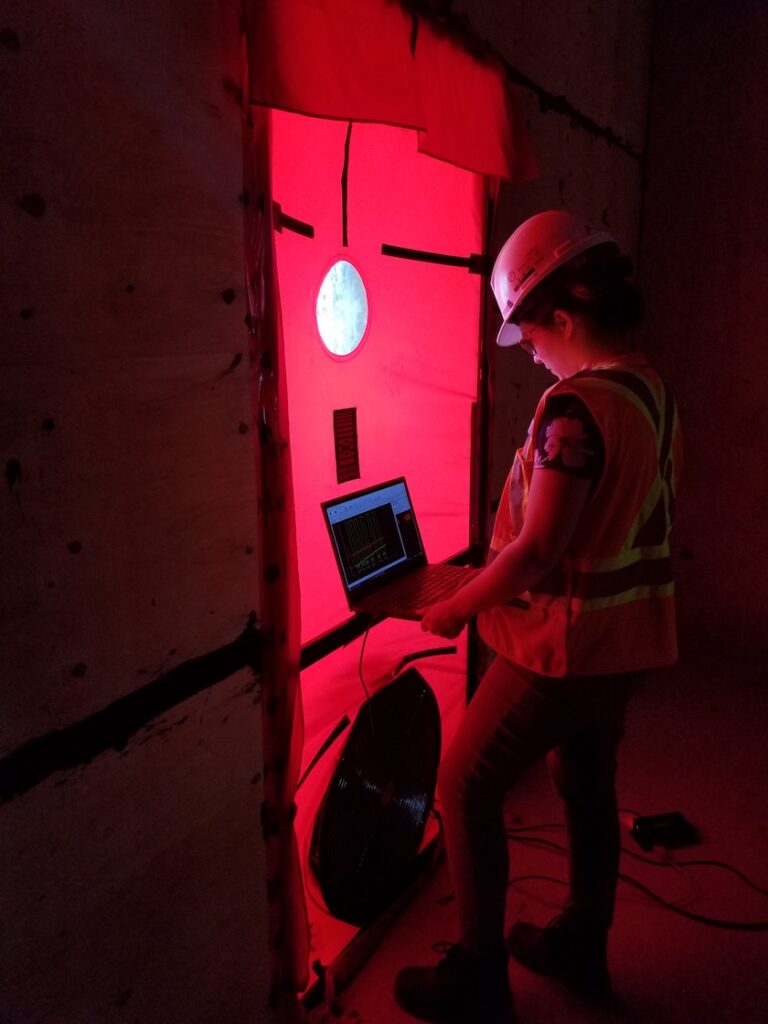
Whole building air leakage testing is one way to test whether a building is meeting its energy performance goals and can be completed by trained professionals.

Whole building air leakage testing is one way to test whether a building is meeting its energy performance goals and can be completed by trained professionals, like the engineers at Pretium! Guided by standards like ASTM E779-10, our professionals use blower doors to pressurize the building and quantify how much air escapes through cracks, joints, and penetrations in a building’s envelope.

The results set a baseline and offer designers, builders, and owners a measurable way to verify the performance of their buildings, whether new or retrofitted.

The concept of whole building air leakage testing is straightforward, however, conducting these tests come with significant logistical and technical hurdles, especially in large or occupied buildings. Carrying out the test successfully requires ongoing consideration of environmental conditions, set-up requirements, and communication with occupants.

Capability of Modern Infrared Thermography

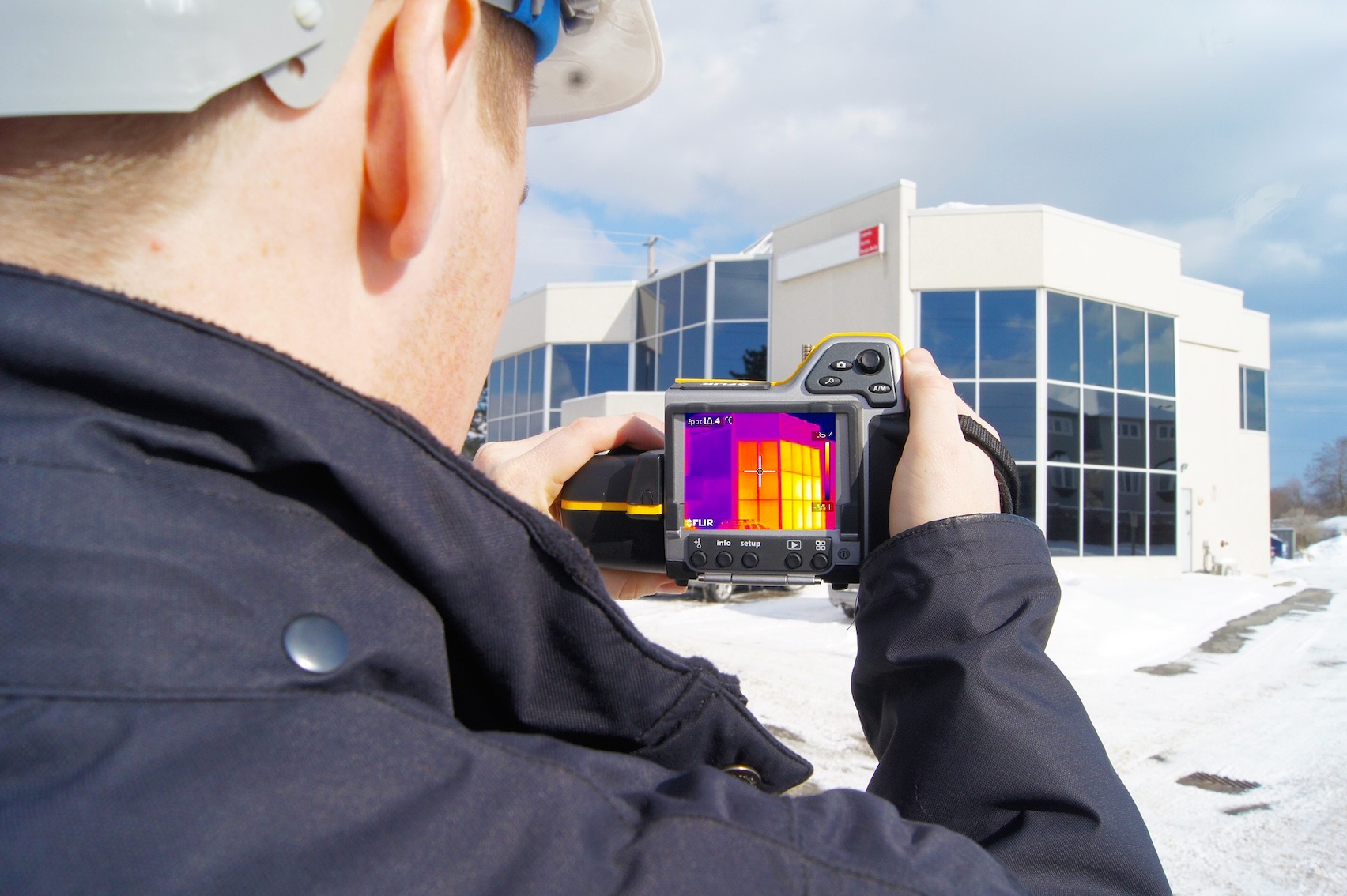
Using non-destructive infrared (IR) sensing equipment thermographers can visually detect thermal variations across building surfaces. This creates images called “thermograms,” that reveal hot and cold spots that can correlated with air leaks, missing insulation, or thermal bridging.

Infrared thermography, used during or after testing, simplifies air tightness troubleshooting while minimizing disruptions to building occupants.

Long-term Benefits of Air Tightness Building Performance

Ensuring airtight construction can save property owners, managers a substantial amount of money in energy savings. Studies estimate that improving air tightness can reduce heating and cooling energy consumption by 25-40 per cent, depending on the building type and location.

In a large commercial building, this can translate into tens of thousands of dollars in annual savings. Tighter buildings reduce the load on HVAC systems, extend equipment lifespan, lower maintenance costs, and create a more comfortable environment for occupants.

As more jurisdictions move toward mandatory airtightness testing, and designers adopt performance-based goals, tools like whole building air leakage testing and infrared thermography are becoming essential in quantifying results.

Together, these technologies help builders and owners meet regulatory requirements while driving energy savings, improving occupant wellbeing, and reducing carbon footprints, one building envelope at a time.

Published on September 15, 2025