Building Envelope Investigations: Finding the Source of Leaks and Moisture Issues

How Engineers Manage Water Intrusion to Prevent the Need for Major Building Repairs
The impacts of water on the building envelope are often insidious in nature – what starts as just a small gap in sealant, poorly detailed flashing, or a hairline crack likely won’t stay that way for long.
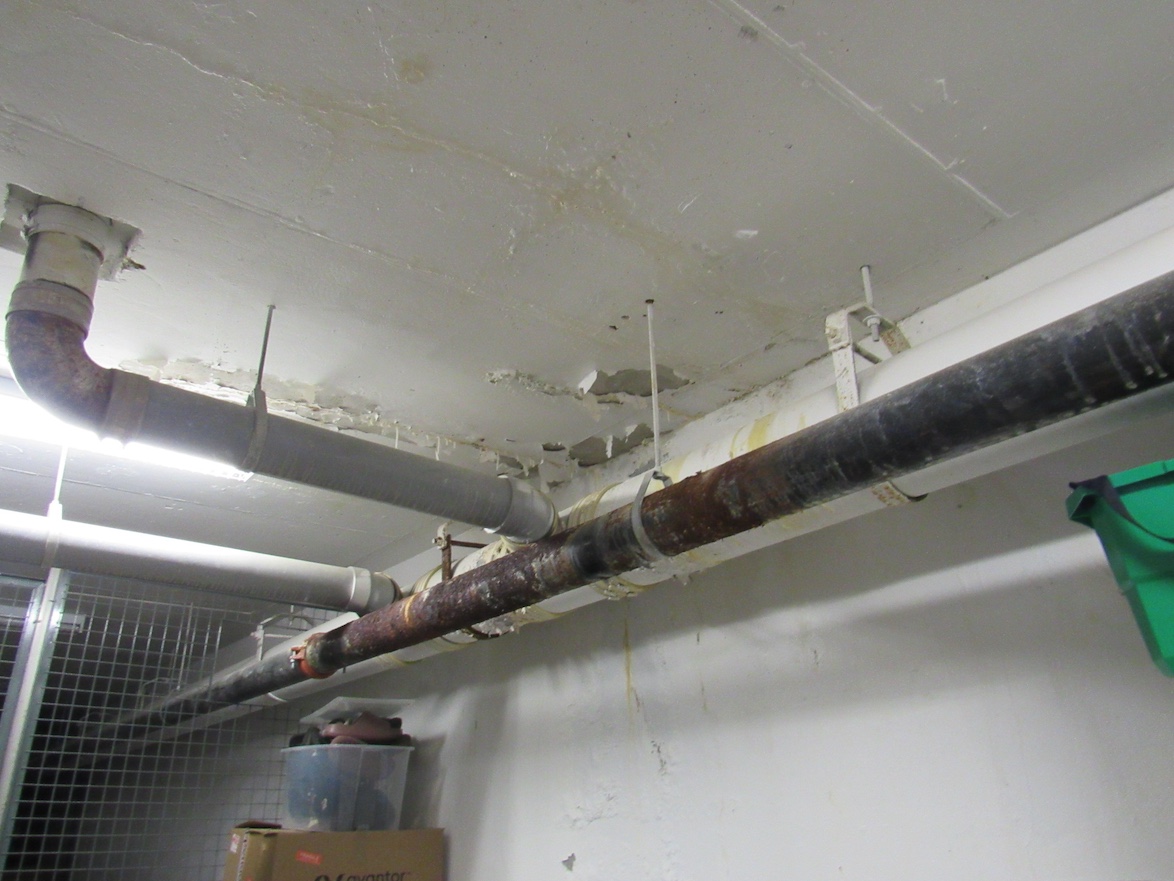
Whether it enters after damage from a torrential storm or via a gradual leak, moisture will slowly compromise building materials over time. Once this damage is visible, the underlying issue may have spread well beyond its original source, turning a once simple repair into a much larger and more expensive problem.
It’s a pattern Pretium engineers specializing in building and structural restoration see time and time again during building envelope investigations.
Luckily, water damage isn’t inevitable. We have strategies for designing, inspecting and maintaining building envelopes and moisture barriers in ways that dramatically reduce the risk of long-term deterioration and structure-wide damage.
Design buildings assuming water will want to get in
Water doesn’t always behave the way we expect. It doesn’t play by the rules of gravity and just drip down – in its various forms, water can move horizontally along structural members, rise through capillary action, wick through porous materials and follow concealed pathways.
That’s why successful building envelope design starts with the assumption that water will eventually find a way in.
Rather than relying on a single barrier to keep a building dry forever, resilient building envelopes use multiple strategies to keep interiors dry.
Use multiple means of resistance and layers of defence
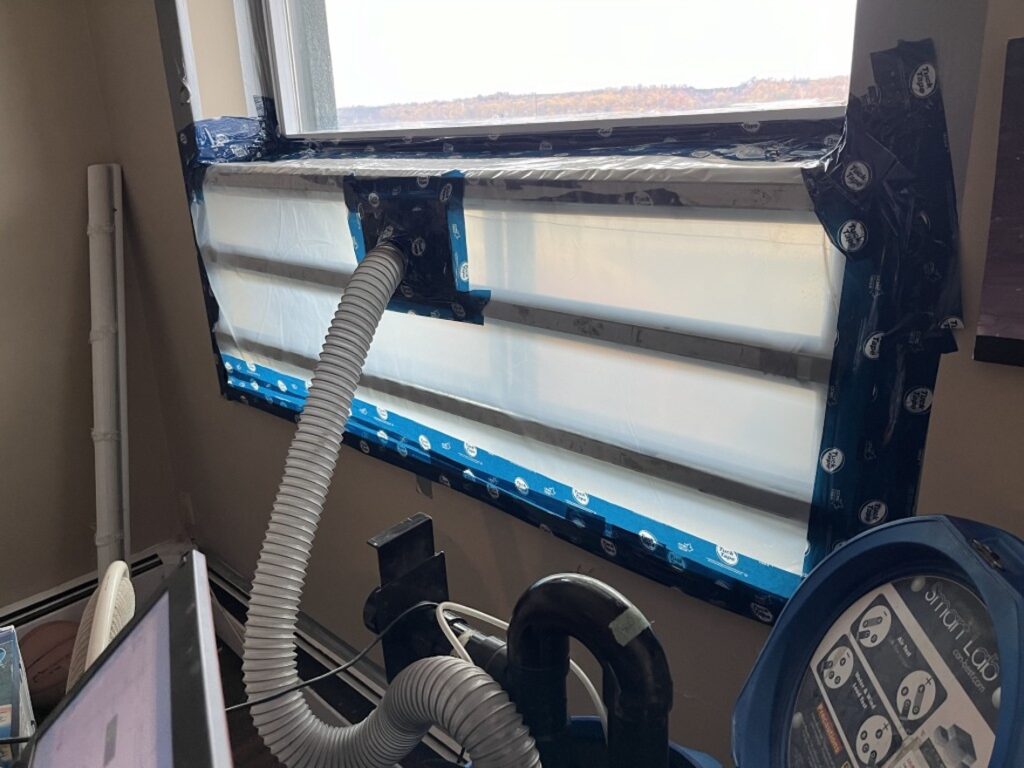
No single building envelope component can completely keep water leaks at bay.
Flashings, drainage planes, air and water barriers, rainscreens, sealants, and carefully detailed transitions all work in tandem to protect buildings from moisture intrusion.
This layered approach creates redundancy throughout the assembly, so if one component becomes compromised, others will continue to protect more vulnerable building materials. While water typically follows the path of least resistance, that path can shift with wind pressure, temperature, building movement, and changes in material properties.
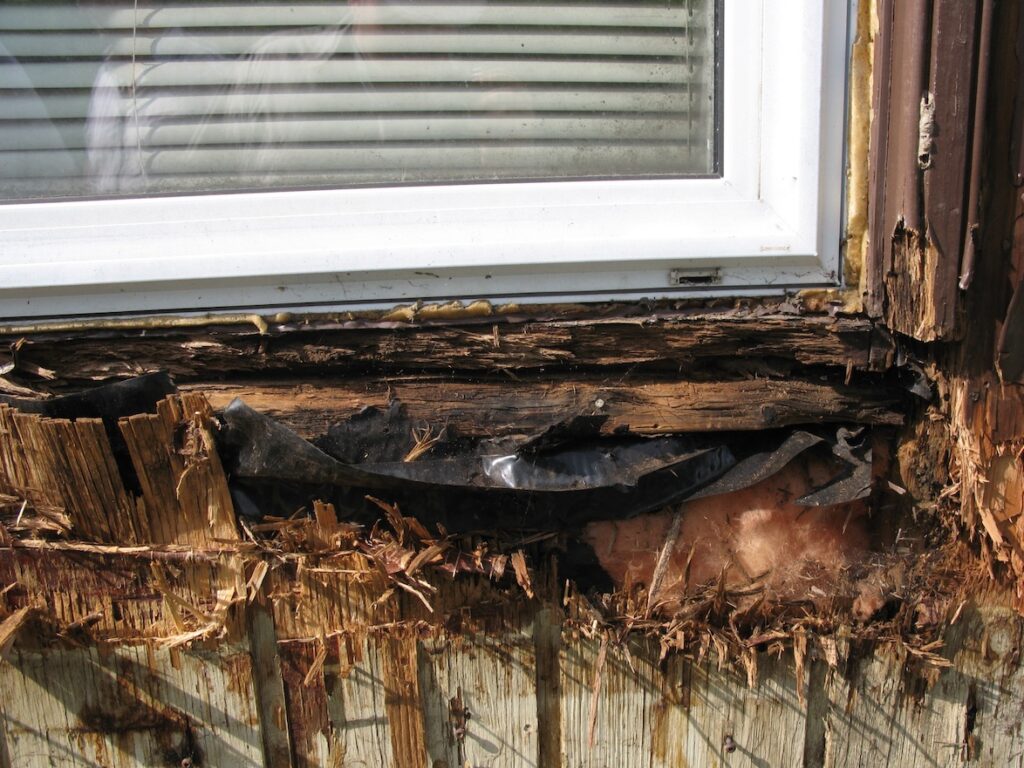
Once moisture reaches the building structure, the impacts will vary by material. Wood can rot, steel can corrode, freeze-thaw cycles can accelerate deterioration and prolonged dampness will create ideal conditions for mould growth.
Inspect defense layers often to monitor for potential water issues
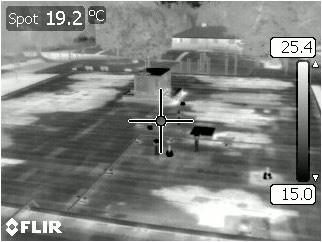
Even the best-designed building envelope requires regular attention as components age, drainage paths get blocked, and buildings shift over time, creating new opportunities for water intrusion.
That’s why routine inspections are essential. At minimum, buildings should be reviewed once a year, ideally before and/or after winter, when freeze–thaw cycles and snow loads tend to expose vulnerabilities or accelerate existing wear.
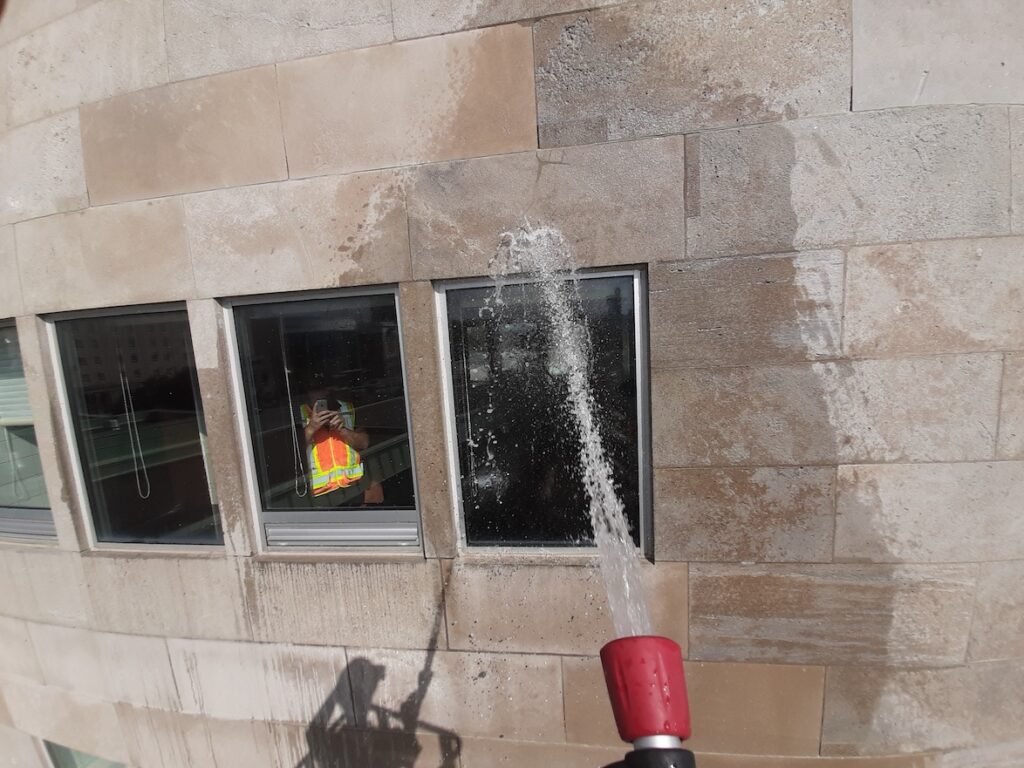
If an inspection identifies signs of a leak, or if occupants report recurring leaks, it’s important to complete a full building envelope investigation. Identifying the true source of a leak early can significantly reduce the extent and cost of future repairs.
There’s a saying in building science that “the devil is in the details,” and nowhere is that more evident than during a leak investigation. Water rarely behaves in a straightforward way once it enters an assembly, often travelling along hidden interfaces and structural elements before revealing itself. Being able to think like water can help engineers uncover the source of a leak so they can recommend repairs.
Carry out building envelope repairs without delay
Once moisture enters a building assembly, deterioration can continue until the problem is addressed, weakening materials, spreading damage to adjacent components, and escalating repair costs.
Addressing deficiencies as soon as they’re identified is one of the most effective ways to protect both the building envelope and the long-term value of the asset.
Water will always look for a way in, but with thoughtful design, multiple layers of defence, routine inspections and timely repairs, building owners can prevent existing minor moisture issues from ballooning into major building failures.