Subjectively Objective: Balancing Thermal Comfort and Energy Efficiency

Energy and Carbon Reduction

Canada’s Path to Net-Zero Must Prioritize Both Energy Efficiency and the Occupant Experience

When energy efficiency measures are pursued without considering thermal comfort, we risk creating buildings that operate effectively but leave occupants dissatisfied with their internal environments.

Through the Canadian Net-Zero Emissions Accountability Act, the country is legally committed to reaching net-zero emissions by 2050, but, these ambitious reductions can’t be the only end goal.

Without balancing the importance of energy efficiency and thermal comfort in building designs, Canada risks missing the mark on what truly makes buildings sustainable: being spaces people want to use consistently, to live and to work.

Policy Context: The Missing Piece

The Canadian Net-Zero Emissions Accountability Act establishes long-term emissions targets and formal reporting requirements, yet it does not describe how performance should be achieved at the building level, leaving key responsibilities to the designers, engineers, and policymakers.

A major pillar of the effort is the Canada Green Buildings Strategy, which aims to lower emissions from both new construction and existing buildings. The approach focuses heavily on reducing energy efficiency gaps by improving insulation, upgrading windows, tightening envelopes, and minimizing unwanted air leakage.

Not once does the strategy mention indoor environmental quality (IEQ), which includes factors like lighting, acoustics, air quality, and thermal comfort – subjective elements that impact how an individual experiences a space.

Occupant Comfort: More Than Just a Thermostat Setpoint

Thermal comfort is often misunderstood and oversimplified. There is an assumption that setting a thermostat to a specific temperature ensures comfort, but as Robert Bean – one of Canada’s foremost authorities on the subject – puts it, Using the thermostat reading as a proxy for thermal comfort is like calling baking soda a cake.

In reality, temperature is only one of six factors that influence our sense of comfort. These are defined in ASHRAE Standard 55 – Thermal Environmental Conditions for Human Occupancy. There are four physical factors that contribute to thermal comfort, including air temperature, mean radiant temperature, air speed, and humidity, along with two personal variables: one’s metabolic rate and clothing insulation.

These variables are expressed as numerical values that can be used to quantify personal comfort by calculating an index called the Predicted Mean Vote (PMV). This index predicts the average value of a large group of individuals’ self-reported perceptions of the different factors, called “thermal sensation votes,” based on a sensation scale that ranges from cold to hot.

Designing With Indoor Environmental Quality in Mind

A tight, highly insulated building envelope reduces heating demand and boosts energy efficiency. However, without proper attention to ventilation, radiant conditions, or humidity control, it could leave occupants uncomfortable, even unhealthy.

Research from Efficiency Canada highlights that high-performance buildings designed with passive strategies – think building orientation, shading, airtightness, and insulation – paired with efficient active systems like heaters and heat pumps, deliver both energy efficiency and thermal comfort.

Meanwhile, smart technologies such as occupant-centric controls allow systems to respond to peoples’ real-time needs, not just static thermostat setpoints.

At Pretium, we understand this and prioritize the balance between energy efficiency and thermal comfort in our approach to building design and retrofits.

With a multidisciplinary engineering team that includes building envelope specialists, mechanical engineers and energy performance experts, we take a unique, whole-building systems approach and evaluate any improvements alongside their impact on occupant comfort, placing peoples’ needs at the heart of building performance.

A Delicate Balance of Energy Efficiency and Thermal Comfort

Success in achieving net-zero goals requires buy-in from Canadians, so Canada can’t afford to treat energy efficiency and thermal comfort as competing goals.

Our buildings need to serve both climate targets and the people who live and work in them.

By treating buildings as systems and designing with the six factors of thermal comfort in mind, we can create spaces that are efficient, sustainable and – most significantly – enjoyable to spend time in.

Published on June 18, 2026

From Energy Modelling to Incentives: How RETScreen Supports Smarter Building Upgrades

Energy and Carbon Reduction

Engineers provide RETScreen expertise to compare, fund building upgrade scenarios

To help owners and operators invest in smart building upgrades – an essential part of achieving Canada’s emission reduction targets – the federal government has created software that enables low-cost energy planning, implementation, monitoring, and reporting.

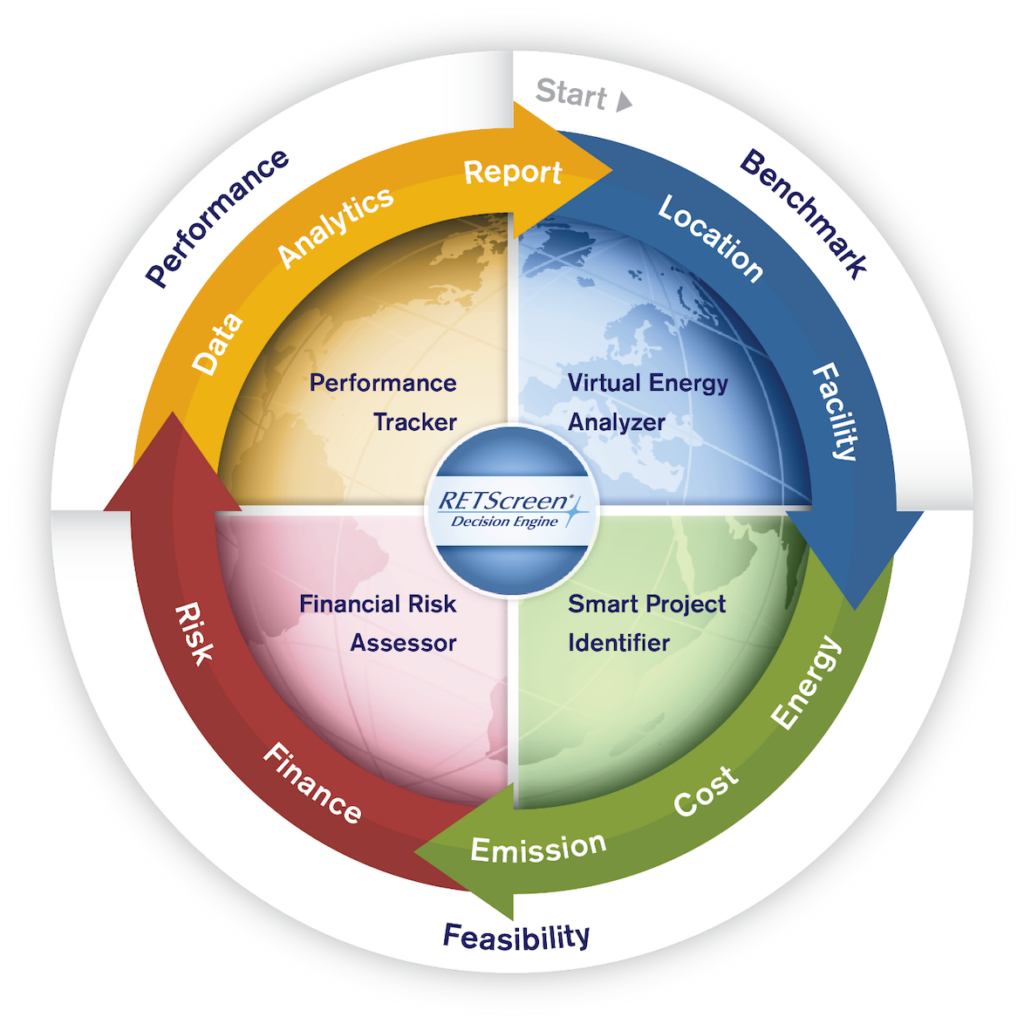
RETScreen® Clean Energy Management Software can be used to guide energy and carbon reducing projects – for both single buildings and across portfolio assets – informed by relevant data and project modelling.

These models can be used to analyze options to create a more efficient building and achieve long-term operational savings, while positioning projects to access early-stage funding through programs like Ontario’s Save on Energy initiative.

RETScreen® Clean Energy Management Software can be used to guide energy and carbon reducing projects.

How RETScreen supports energy and carbon reducing projects

RETScreen evaluates both the technical and financial performance of building upgrades.

It uses inputs including building size, system type, operating schedules, and local climate data to simulate how a building would perform under different scenarios, evaluating potential energy consumption, emissions, and operating costs.

Whether it’s planning a new build, retrofitting an existing building, comparing energy performance, or establishing baseline data, RETScreen provides a reliable framework to support informed decision-making and rule out less efficient approaches.

The software also translates those results into financial terms, essentially integrating engineering data with fiscal outcomes.

Why accurate inputs matter

The value of any energy model depends on the quality of the inputs. Software, like RETScreen, can quickly complete detailed calculations however, the results are only meaningful when they are based on reliable building data.

Engineering firms like Pretium work with building owners and operators to define these inputs by collecting detailed information about the building’s construction, mechanical and electrical systems, and operation (schedules, set points, etc.). This typically includes a site visit, review of available documentation, interviews with operations staff, and analysis of 24-36 months of historical utility data.

This thorough approach results in a model that more accurately reflects the actual building performance which in turn improves confidence in the projected energy savings. By modelling multiple retrofit scenarios, the model can be used to identify the most effective improvement opportunities and ultimately, can be used for funding applications.

Work with experts to get the most value out of RETScreen and plan smarter building upgrades

RETScreen is a powerful tool, but we wouldn’t call it intuitive as it requires training and experience to be used effectively.

That’s because data input and modelling is only part of the process. Interpreting results, testing scenarios and aligning outputs with incentive criteria requires a strong understanding of both building systems and specific program requirements.

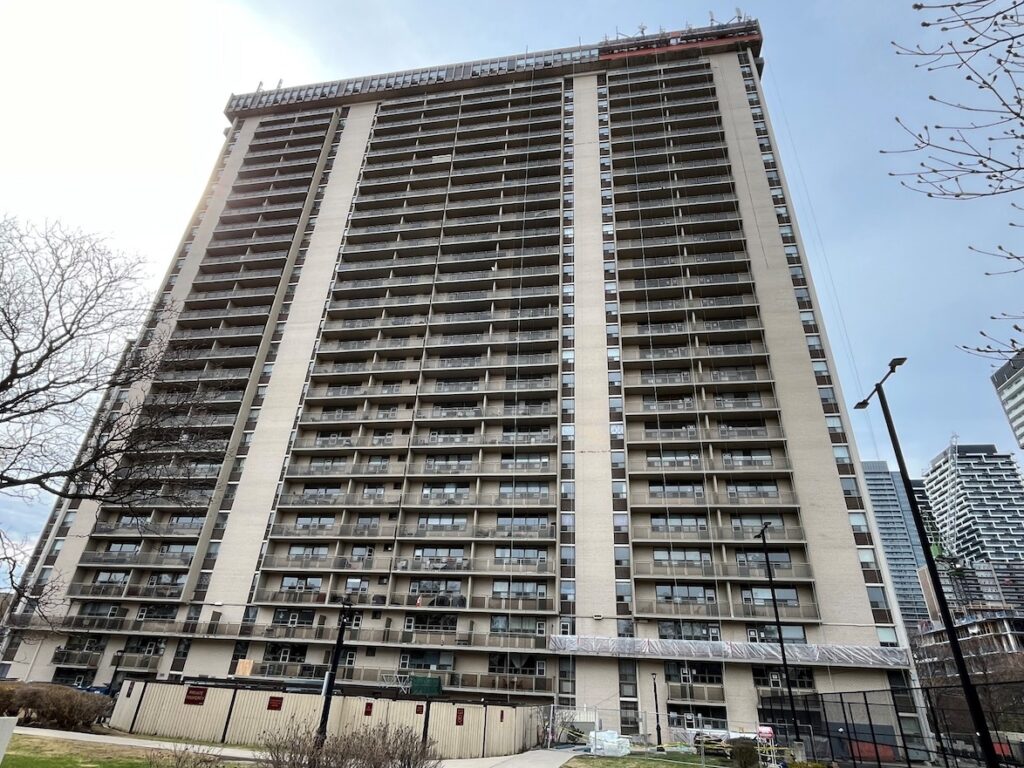
Pretium recently completed an overcladding and window replacement project for a client. The building is a 29-storey multi-family building in Toronto that was experiencing localized air and water leakage, cladding deterioration, and poor thermal performance. The building is heated with electric resistance baseboard heaters, making thermal performance and air tightness improvements particularly important. To evaluate the proposed retrofit and support an application for funding through the Save On Energy program, an energy modelling study was completed using RETScreen Expert.

Work with experts to get the most value out of RETScreen and plan smarter building upgrades.

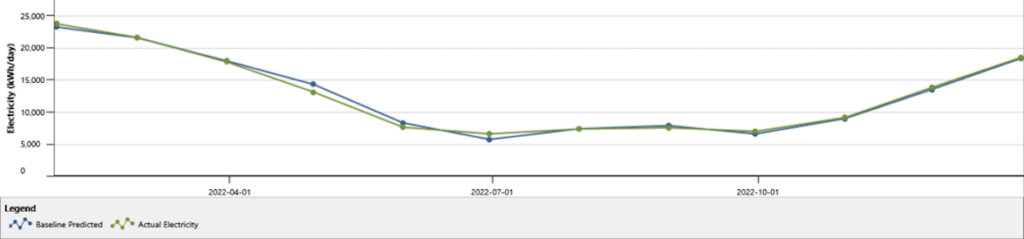
First, we developed a calibrated baseline energy model. A site visit was completed to collect all the pertinent building information, including measurements, assembly types and thicknesses, mechanical systems and their performance ratings, and operational data. Because no building drawings were available, these observations were critical for establishing accurate modelling inputs. Two years of electricity and gas data was uploaded to the model and used for calibration, to ensure that the predicted energy use closely matched the building’s historic performance.

As part of that calibration process, a regression analysis was completed to evaluate the relationship between weather conditions and building energy consumption. It demonstrated a strong correlation between energy consumption in the building and heating demand, which suggests that improvements to the thermal performance of the building enclosure would translate into energy savings.

A regression analysis was completed to evaluate the relationship between weather conditions and building energy consumption.

Ultimately, the retrofit included the addition of 3 inches of EPS insulation on the exterior walls and 2 inches on shear walls. RETScreen predicted an annual electricity savings of approximately 831,000 kWh, which supported a Save On Energy incentive pre-approval of approximately $108,000. In addition, the projected energy savings were estimated to reduce the annual energy costs by approximately $127,000. The modelling helped demonstrate both the energy and financial benefits of the proposed project.

This case study is just one example from a portfolio of 13 buildings where we used RETScreen to model potential projects.

This case study is just one example from a portfolio of 13 buildings where we used RETScreen to model potential projects. Of those, seven projects were eligible for an incentive through the Save On Energy program and we worked with the client to submit applications that have been pre-approved for a total of over $300,000 in incentives.

With a Certified RETScreen Expert (CRE) on staff, and an Energy and Carbon Reduction team with a wealth of modelling experience, Pretium can help clients get the most value out of the RETScreen software.

From initial assessment through to incentive application, we’re helping clients successfully structure projects that meet their energy efficiency goals – and fund them.


The RETScreen® Clean Energy Management Software platform enables low-cost energy planning, implementation, monitoring and reporting.

RETScreen Expert is an all-in-one platform available in Viewer mode free-of-charge. Premium features are available in Professional mode by purchasing an annual subscription.

For more information on RETScreen, please visit this link, or view the introductory video below:
https://youtu.be/wa30PZQRGzw?si=_JwfS2P26oN9aAGs

Published on June 15, 2026

Pretium’s Jennifer Hogan named IIBEC President

Celebrating leadership and impact with the International Institute of Building Enclosure Consultants

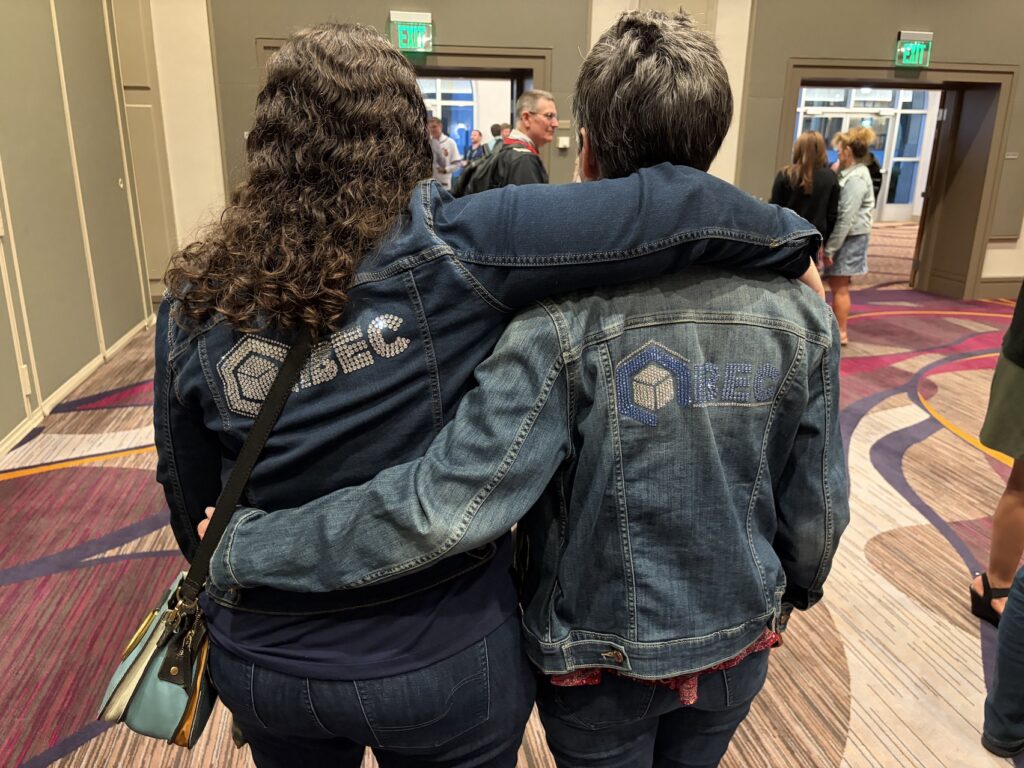
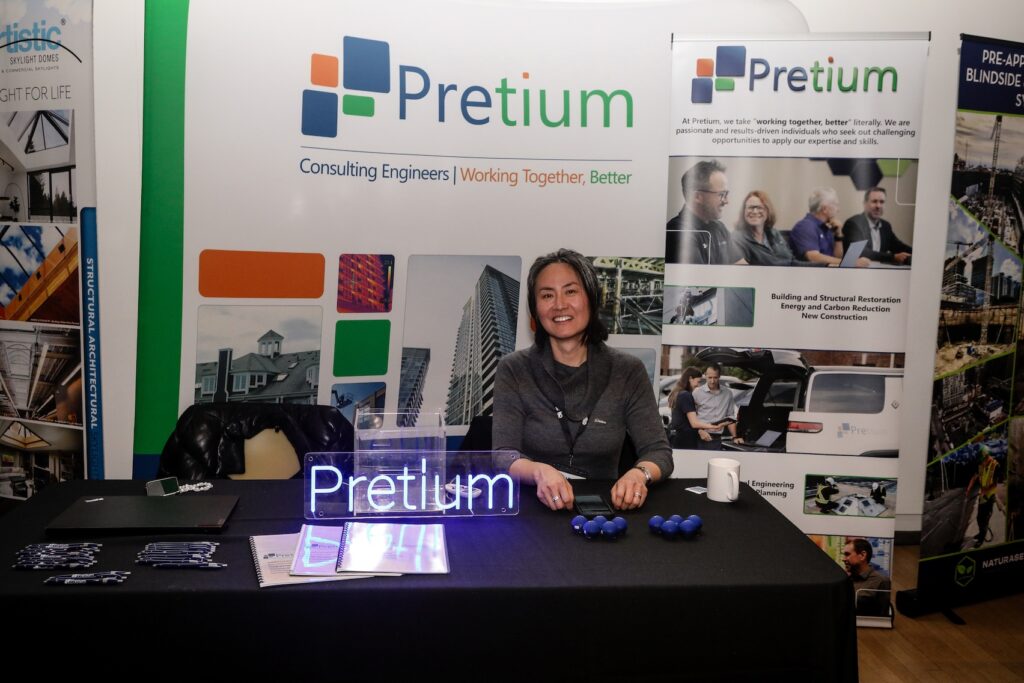
From sponsoring industry conversations to demonstrating leadership at a global level, Pretium staff have been very busy engaging with the International Institute of Building Enclosure Consultants (IIBEC) throughout March 2026.

IIBEC is an international association of building science and enclosure consulting professionals, whose mission is to advance the profession of building enclosure consulting.

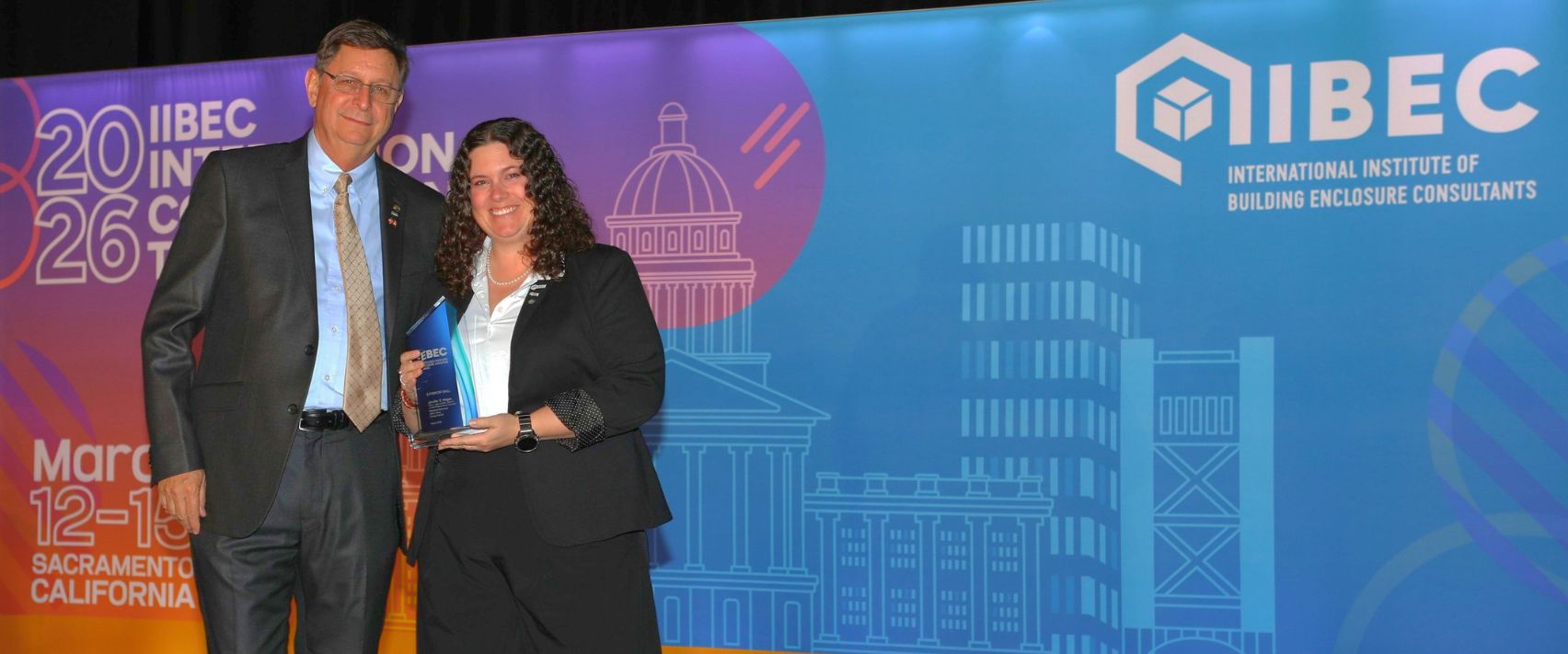
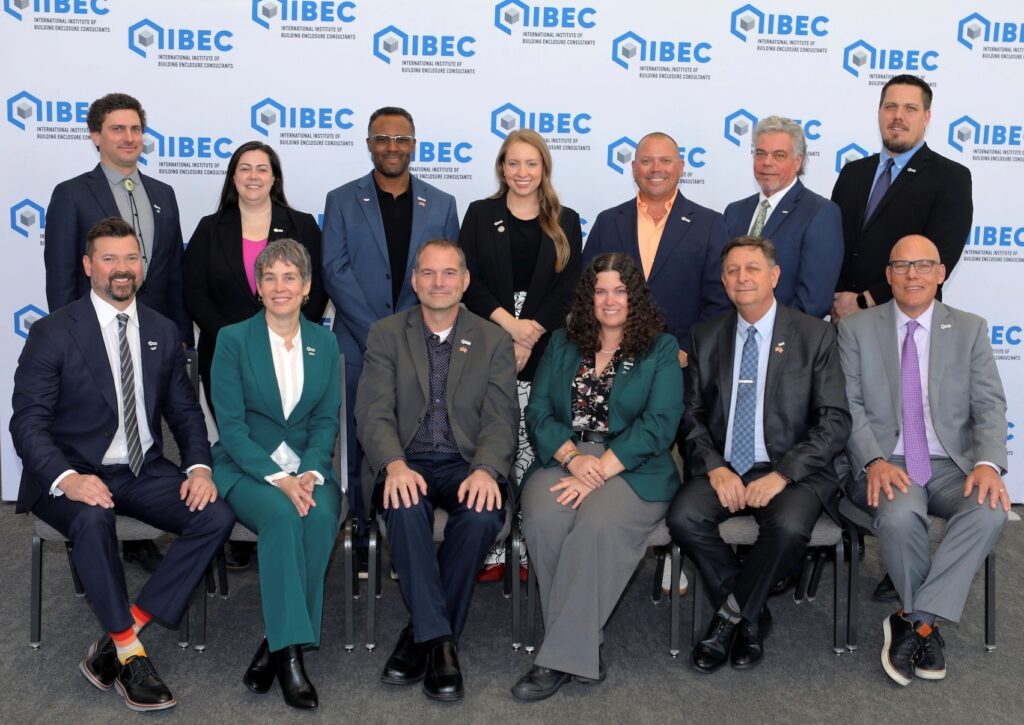
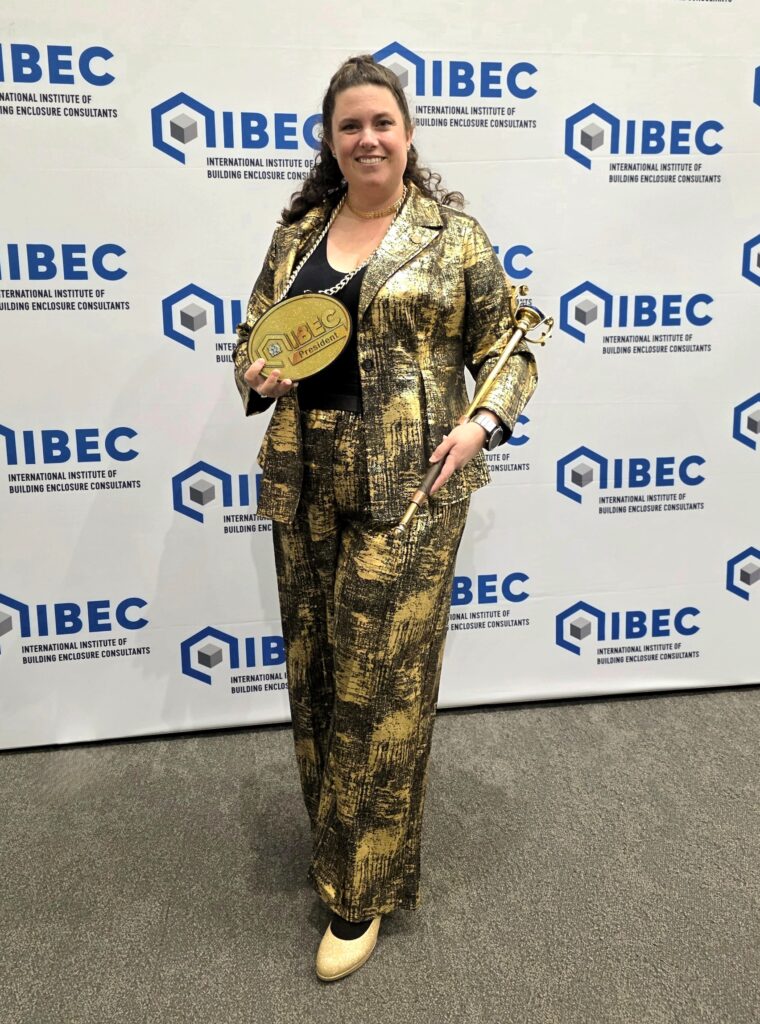
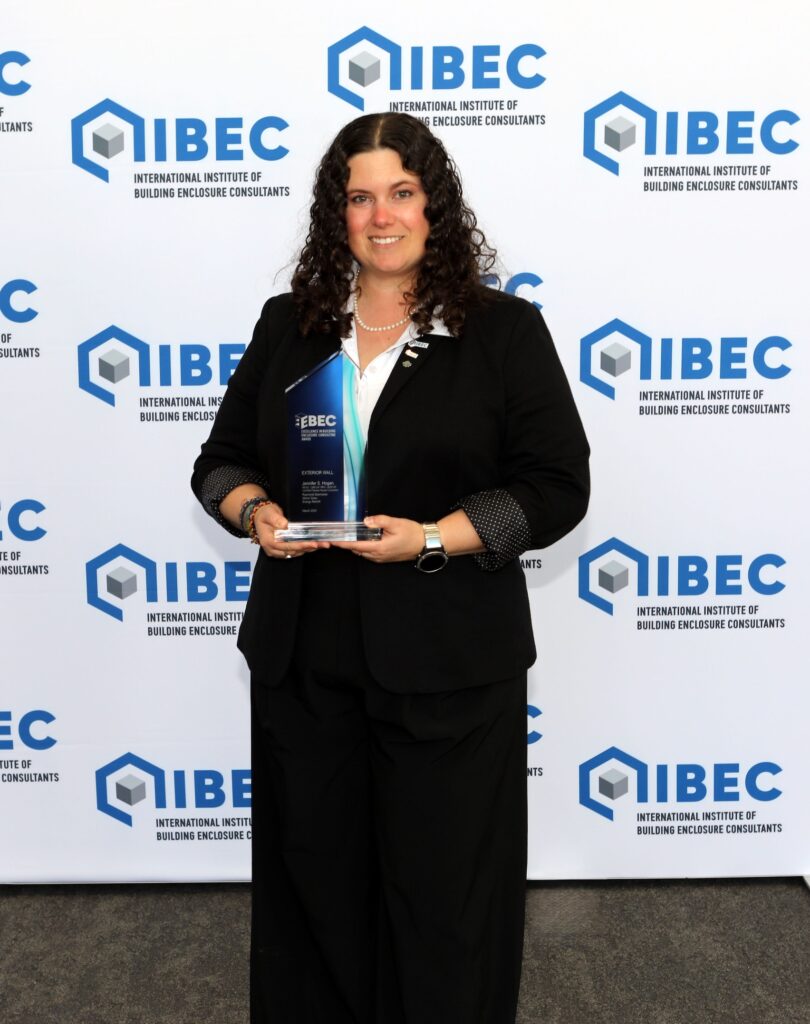
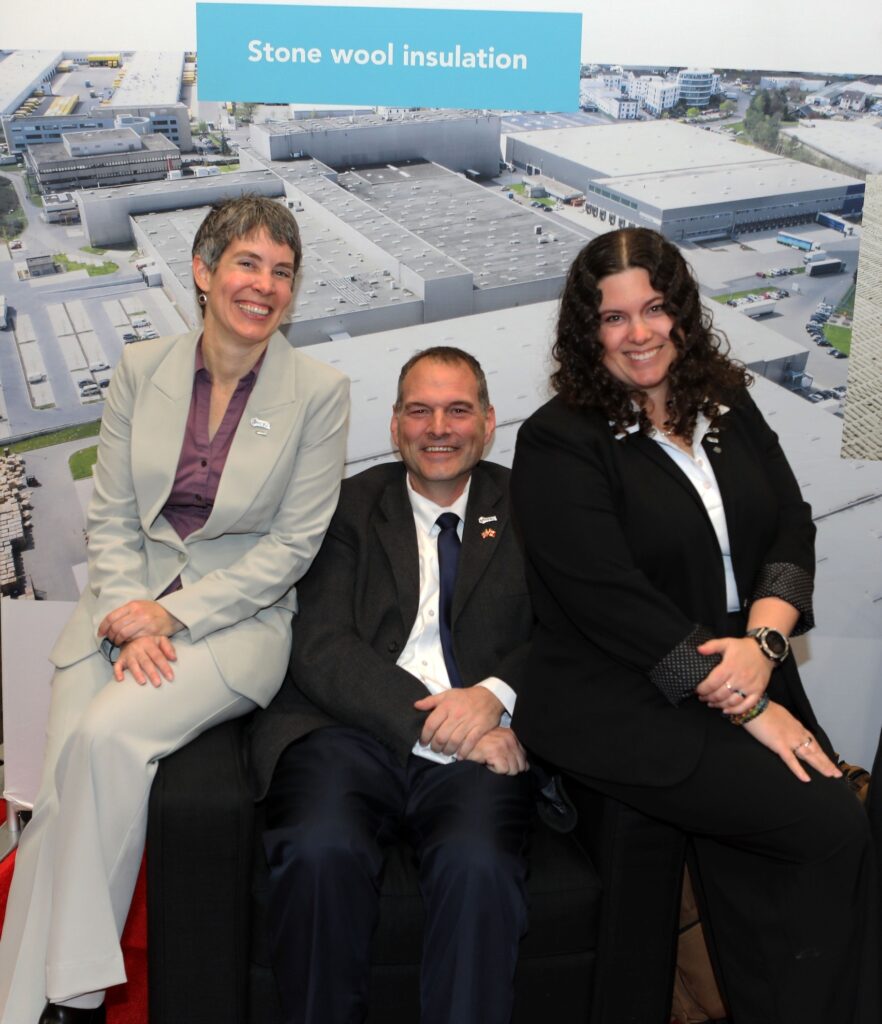
We’re proud to share that Pretium’s own Jennifer Hogan has been named IIBEC President, officially stepping into the role during the 2026 IIBEC International Convention and Trade Show in Sacramento last month.

As part of her incoming President’s address at the annual meeting of the members, Jennifer asked members to “…stay engaged. Bring your ideas, your expertise, and your energy to this organization, and help us continue raising the bar for the building enclosure profession together.”

The event brought together professionals from across Ontario’s building enclosure and construction industry for an afternoon focused on advancing diversity and inclusion within building sciences.

This position reflects the expertise and leadership Jennifer brings to Pretium, where she serves as Project Principal, Director of Marketing, and Leader of our Energy and Carbon Reduction Services. We are proud to see her recognized on an international stage and look forward to the meaningful contributions she will bring to the industry in this pivotal role.

We’re equally proud to share that, at the same conference, Jennifer received an Excellence in Building Enclosure Consulting Award in the exterior walls category for her work on the Raymond Desmarais Manor Deep Energy Retrofit.

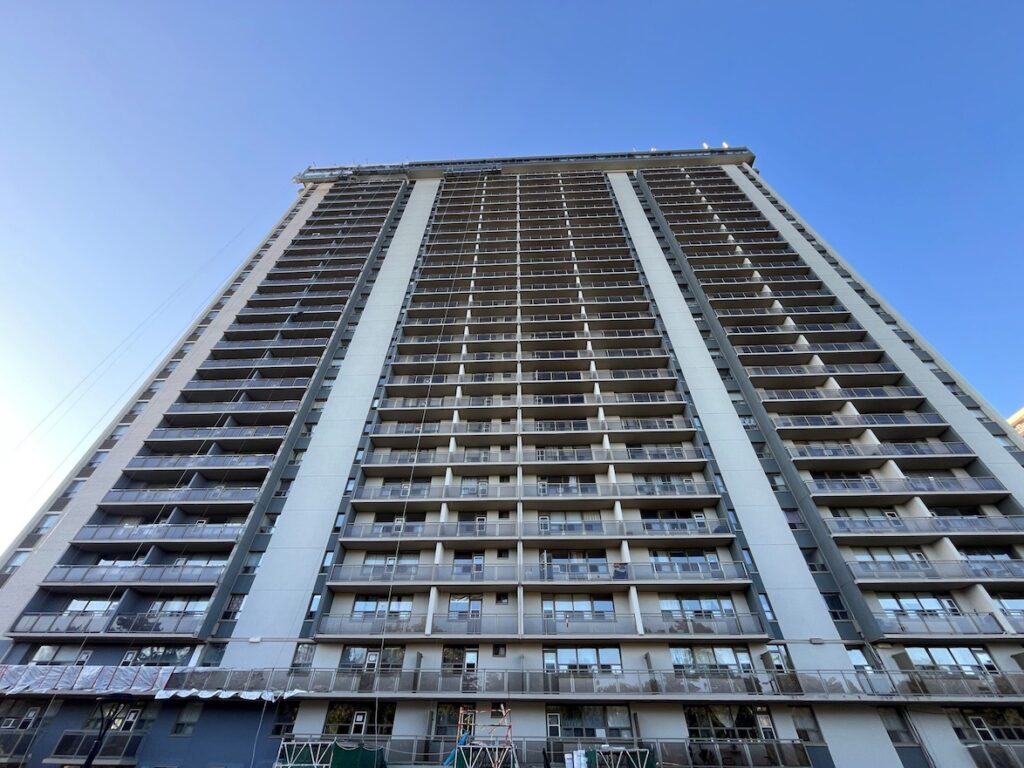
For this project, Jennifer and her project team led a deep energy retrofit of this 43-year-old multifamily tower guided by the EnerPHit Standard. The result was a new building exterior with fresh colours, improved air quality and a more than 60 per cent reduction in energy consumption and greenhouse gas emissions.

It’s rewarding to see this work – a shining example of the potential of deep retrofits – gain international recognition. This project also received a finalist award from the EIFS Council of Canada (ECC) Design Awards in 2025.

Creating space for meaningful conversation

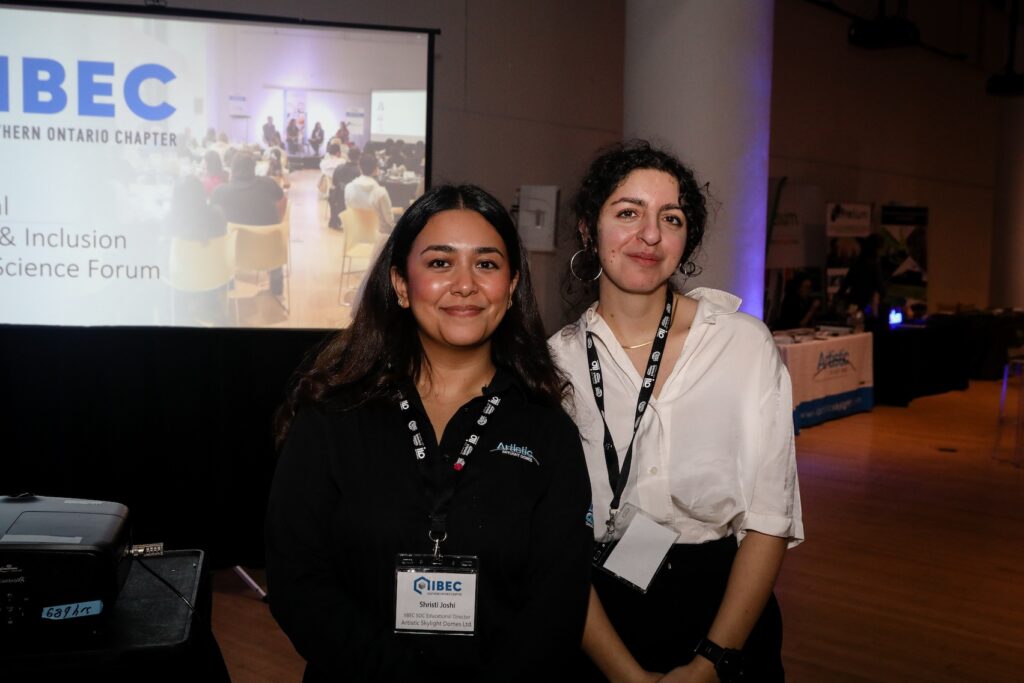
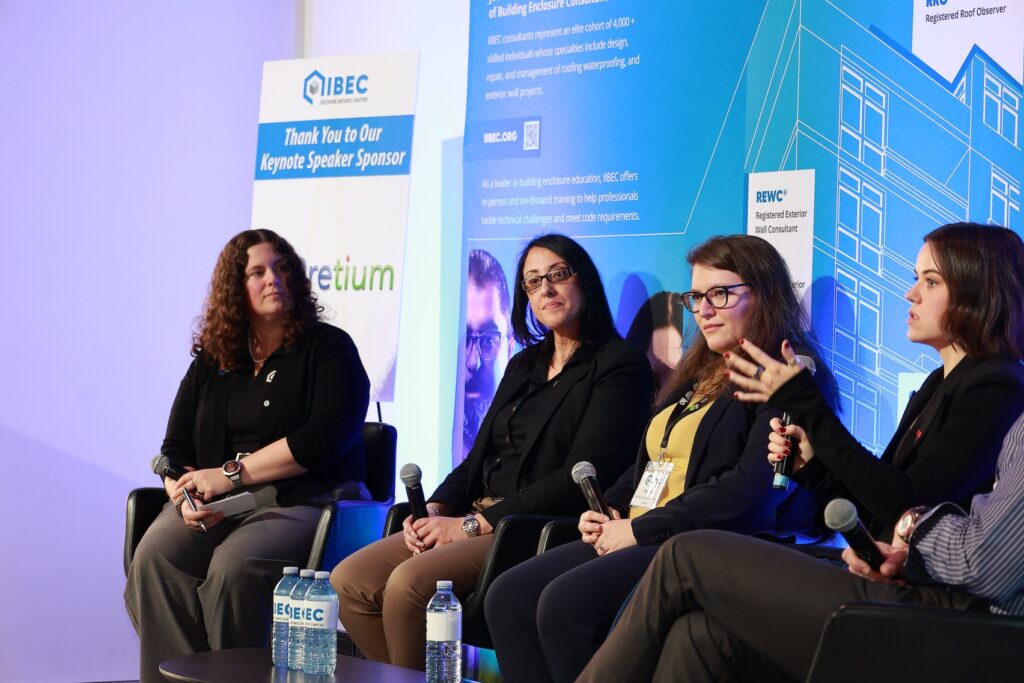
Earlier in the month and a little closer to home, Pretium was proud to sponsor the IIBEC Southern Ontario Chapter’s Fifth Annual Diversity & Inclusion Building Science Forum, hosted in Toronto on March 4, 2026.

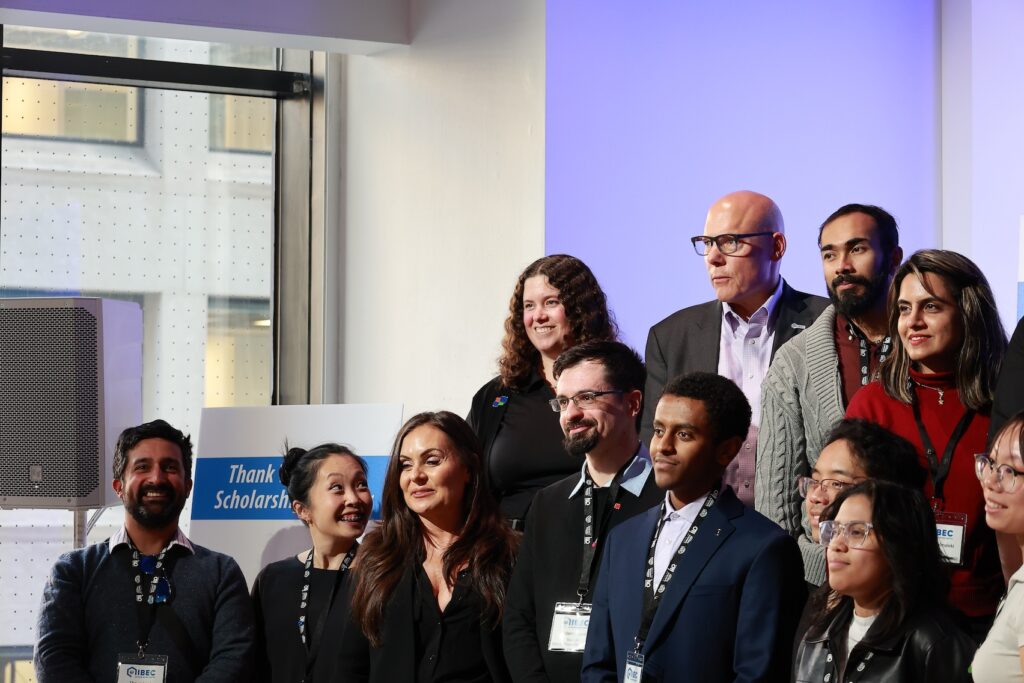
The event brought together professionals from across Ontario’s building enclosure and construction industry for an afternoon focused on advancing diversity and inclusion within building sciences.

Pretium was thrilled to sponsor this year’s keynote presentation, delivered by Flonja Shyti, a research council officer with the National Research Council of Canada’s Construction Research Centre.

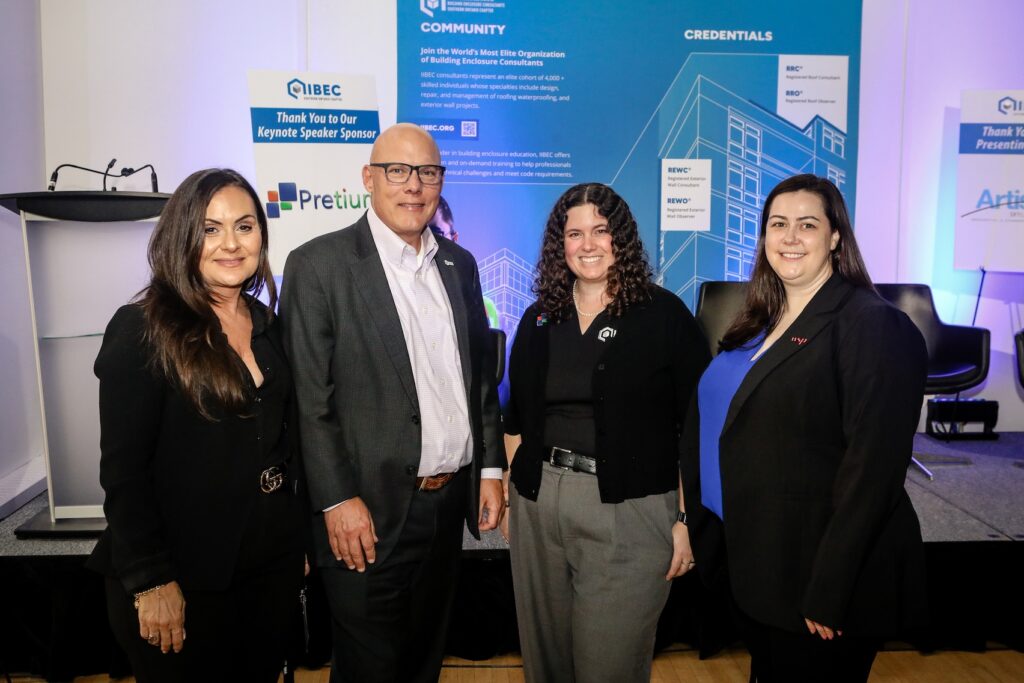
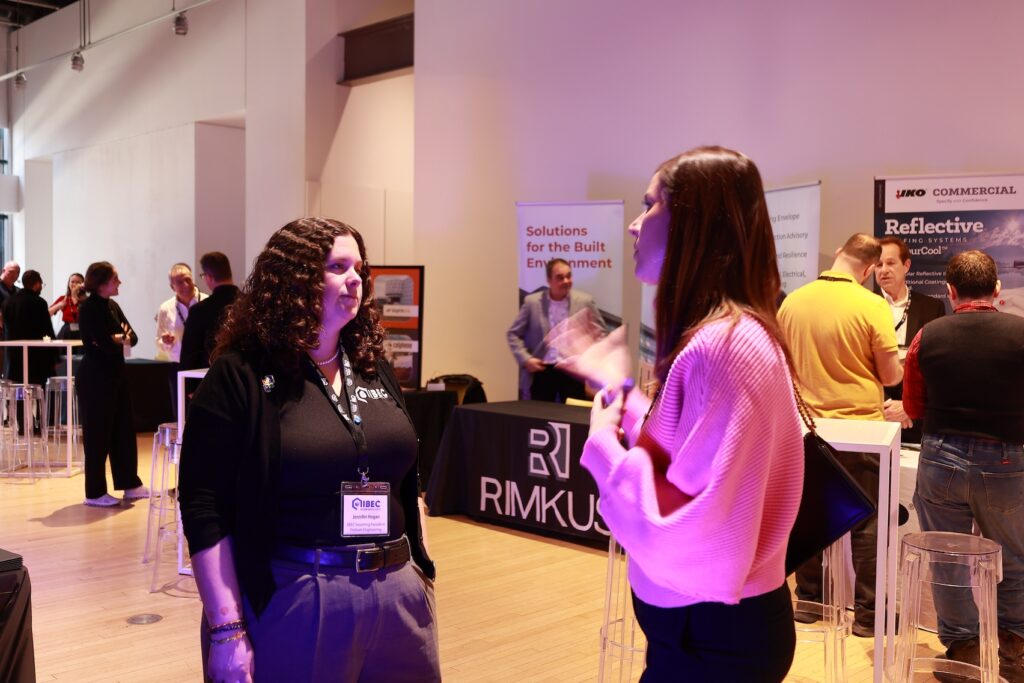
Pretium was well represented at the event, with several staff in attendance: Jean-Guy Levaque, Jee Young Kim, Ariel Zhu, and Ola Saleh. Saleh and Hogan are also part of the organizing committee and have both been involved since the event’s inception five years ago.

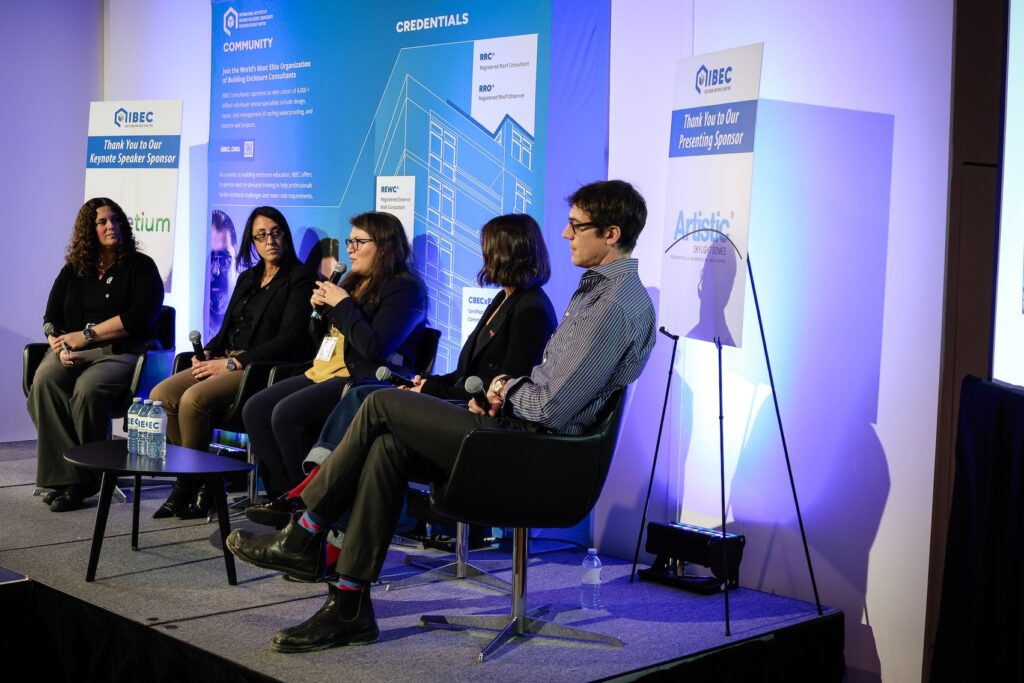
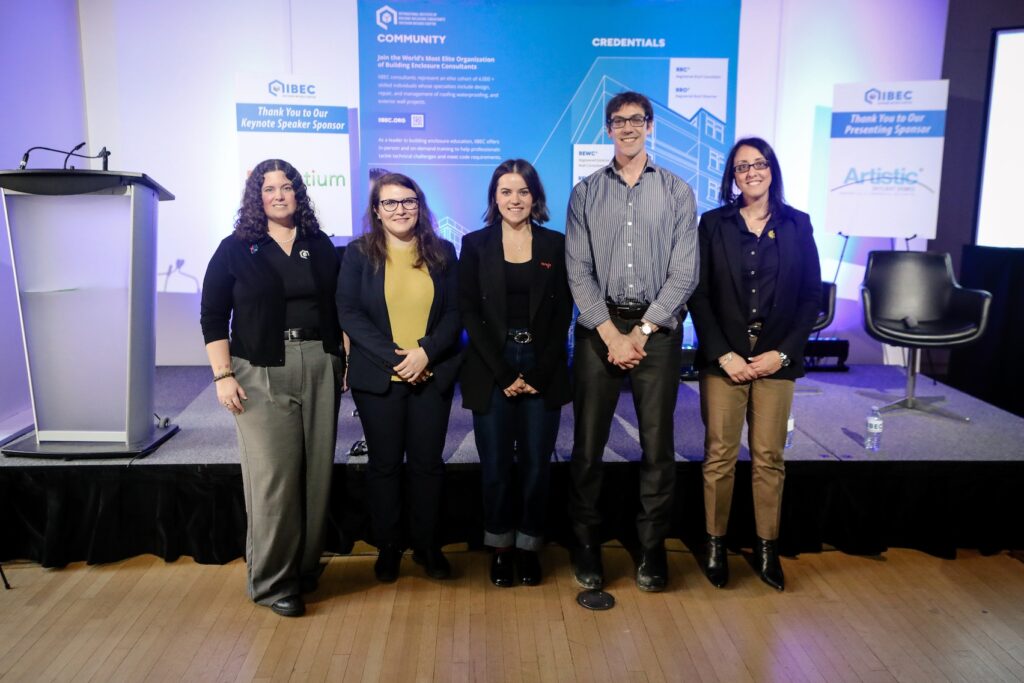
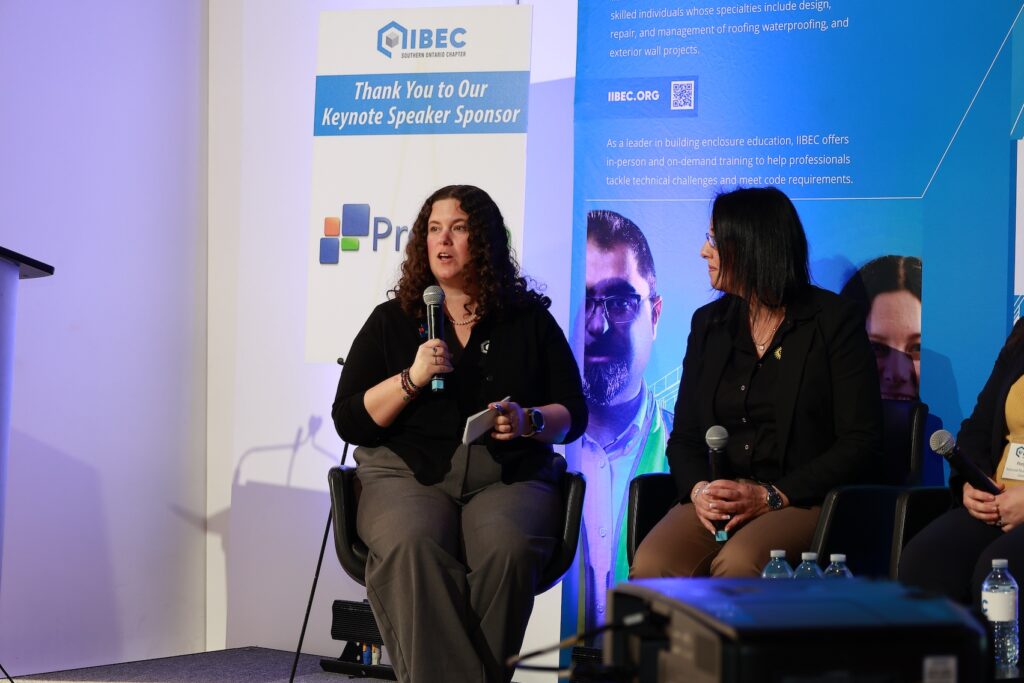
Following the presentation, Jennifer had the opportunity to flex her leadership qualities as moderator for a fireside chat with Flonja, Diana Vitiritti, vice president of international sales at Situra.; Kennedy Whitfield, P.Eng., a building science project manager with WSP Canada; and Dr. Russell Richman, a professor specializing in building science at Toronto Metropolitan University.

The discussion from all the panelist was engaging and insightful, touching on the significance of diverse perspectives in sustainable design, the essential role of diversity in tackling climate challenges, ways to foster inclusive workplaces in STEM fields, and how to attract and support underrepresented groups in building sciences.

Following the fireside chat, attendees were placed into randomly assigned small discussion groups, each led by a pre-assigned mentor. These breakout sessions created an open, supportive space to continue the conversation, dive deeper into key themes, and give participants the opportunity to ask questions, share perspectives, and learn from both peers and experienced leaders.

Pretium’s expertise informing the global building enclosure industry

At Pretium, we are committed to building a company where people are encouraged to lead, contribute and achieve their professional goals, both within and beyond our organization.

Our recent collaborations with, and accolades from, IIBEC prove that when our people thrive, the broader building science community benefits – and that’s something we’re incredibly proud of.

Published on April 1, 2026

Multi-Disciplinary Engineering Teams: Why It’s Always Better When We’re Working Together

Energy and Carbon Reduction

How a Multi-Disciplinary Engineering Team Helps Deliver Successful Projects

When a building owner sets ambitious goals—like cutting energy consumption by more than 50% and reducing greenhouse gas emissions by 85%—those results don’t happen by chance. They require a team of specialists, like a multi-disciplinary engineering team, working side by side, who can tackle every angle of a complex retrofit in-house.

The Power of a Multi-Disciplinary Engineering Team

At Pretium Engineering, we bring mechanical, electrical, structural, building envelope, and energy modelling expertise under one roof. This breadth of capability makes us a true one-stop shop for engineering needs—whether it’s restoration, deep energy retrofits, or new construction.

Instead of juggling multiple firms and consultants, our clients benefit from seamless collaboration. When our teams work together from the outset, we’re able to:

  1. Streamline Project Delivery
    With all disciplines in-house, communication is direct and ongoing. This avoids the delays of coordinating across external consultants and keeps projects moving smoothly from concept to construction.
  2. Reduce Surprises and Extra Costs
    Our engineers share a common understanding of the project scope, so design conflicts are resolved early—before they lead to costly change orders during construction.
  3. Deliver Better Long-Term Performance
    By coordinating envelope and mechanical solutions alongside structural and electrical considerations, we design strategies that improve durability, optimize efficiency, and meet evolving performance standards such as Passive House, B19, and Energy and Water Reporting and Benchmarking requirements.

Simply put, our multi-disciplinary engineering team’s approach means fewer gaps, fewer headaches, and better outcomes.

Case Study: 71 Sanford Avenue, Hamilton

A strong example of Pretium’s multi-disciplinary approach is the deep energy retrofit underway at 71 Sanford Avenue North.

A strong example of Pretium’s multi-disciplinary approach is the deep energy retrofit underway at 71 Sanford Avenue North, a six-storey, 57-unit non-profit housing complex built in 1993. In addition to the residential units (six one-bedroom and 51 two-bedroom suites), the ground floor includes 10 assisted-living rooms leased and operated by others. The building’s total area is approximately 69,500 ft² (6,450 m²), excluding the underground parking garage. Major mechanical systems—including heating boilers, domestic hot water boilers, and a make-up air unit—are housed in a rooftop penthouse, with additional mechanical and electrical spaces located in the basement.

For this project, our team began with a detailed review of all drawings and design documents. Using the IES Virtual Environment software platform, our in-house energy modellers developed a comprehensive whole-building energy model to evaluate a range of energy conservation measures (ECMs). The goal was to identify a package of measures that would achieve the Canada Greener Affordable Housing (CGAH) program requirements: a 70% reduction in site energy use and an 80% reduction in GHG emissions, relative to pre-retrofit performance.

Once a compliant retrofit package was established, Pretium prepared full design and bid documents for the proposed measures. Our role continues beyond design: we are now providing contract administration and construction review services for the construction/implementation of all scopes, ensuring quality and performance are maintained from concept to completion.

Building Better Together

Deep energy retrofits are some of the most technically challenging projects in our industry. Success depends on collaboration across disciplines and a unified strategy from start to finish.

At Pretium, we don’t just coordinate between specialties—we integrate them under one roof. This gives our clients peace of mind, knowing they have a single, multi-disciplinary engineering team managing their project with the technical depth, problem-solving capacity, and accountability needed to deliver exceptional results.

Because in the end, it’s always better when we’re working together.

Published on October 2, 2025