How mock-ups can benefit your next building restoration project

By Caleb Teeple
A low-cost, short-term step that can save building restoration projects from unnecessary rework
In building restoration, the most expensive mistakes are typically the ones that don’t get caught until the job is well under way.
Whether you’re retrofitting a commercial multifamily building or renovating an industrial facility, early construction mock-ups – prototype installations of building components – are a practical, relatively low-cost quality control tool.
Rather than relying on theoretical drawings and specs, constructing a mock-up establishes physical, clear standards for contractors to work from. This allows project teams to iron out installation problems early in the process.
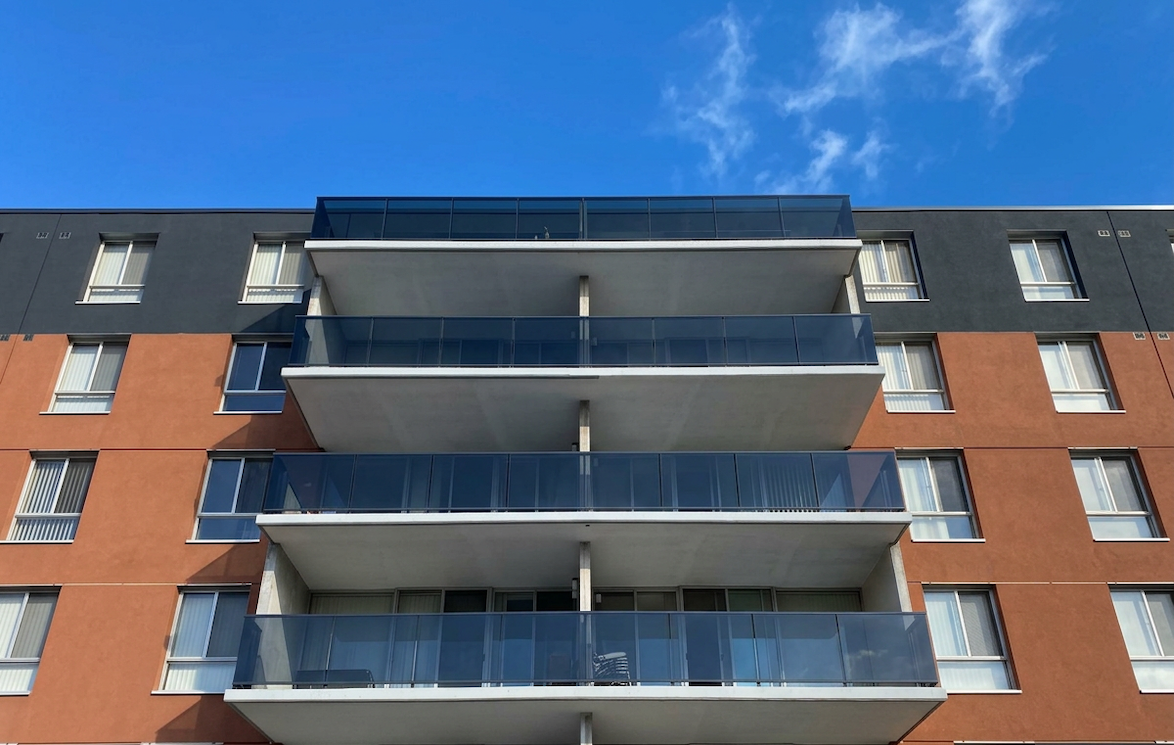
Mock-ups are recommended for any project with discrete or repeatable elements, including window replacement projects or balcony guard installations. When a specific detail is repeated across a project, it’s important to get the first one right before proceeding with the remaining installations.
What types of mock-ups are tested in building restoration?
Mock-ups allow property owners to see how cladding profiles, finish textures, flashings, and colours look in natural lighting before they commit to a full project.
They also allow for performance testing, making sure the building element is functioning as intended. Depending on the scope of the project, engineers and consultants often build and test mock-ups for:
- Window and door installations: This involves subjecting a newly installed unit to pressurized air and water spray testing to verify performance of the window assembly, sealants and tie-ins.
- Cladding and wall transitions: Teams install a sample section of EIFS, metal panels, or curtain wall to test fastener resistance, thermal continuity and flashing transitions.
- Balcony guards and waterproofing: Here, crews test anchor bolts for structural load compliance. Running adhesion, or flood tests on waterproof membranes is also valuable.
Visual sign-offs can be reassuring, but physical testing catches any hidden manufacturing or installation defects the naked eye may miss.
Case study: Catching a hidden window defect on a 1968 residential tower
During one of our recent projects, a completing air and water leakage testing on a window mock-up caught a major manufacturing flaw, saving our client from costly future repairs.
The site featured a nine-storey, 126-unit residential building constructed in 1968.
The aim of the project was threefold. It involved retrofitting the building with a combination of Exterior Insulation Finish System (EIFS) and Building Integrated Photovoltaic (BIPV) cladding, along with replacing window and balcony door assemblies on every floor.
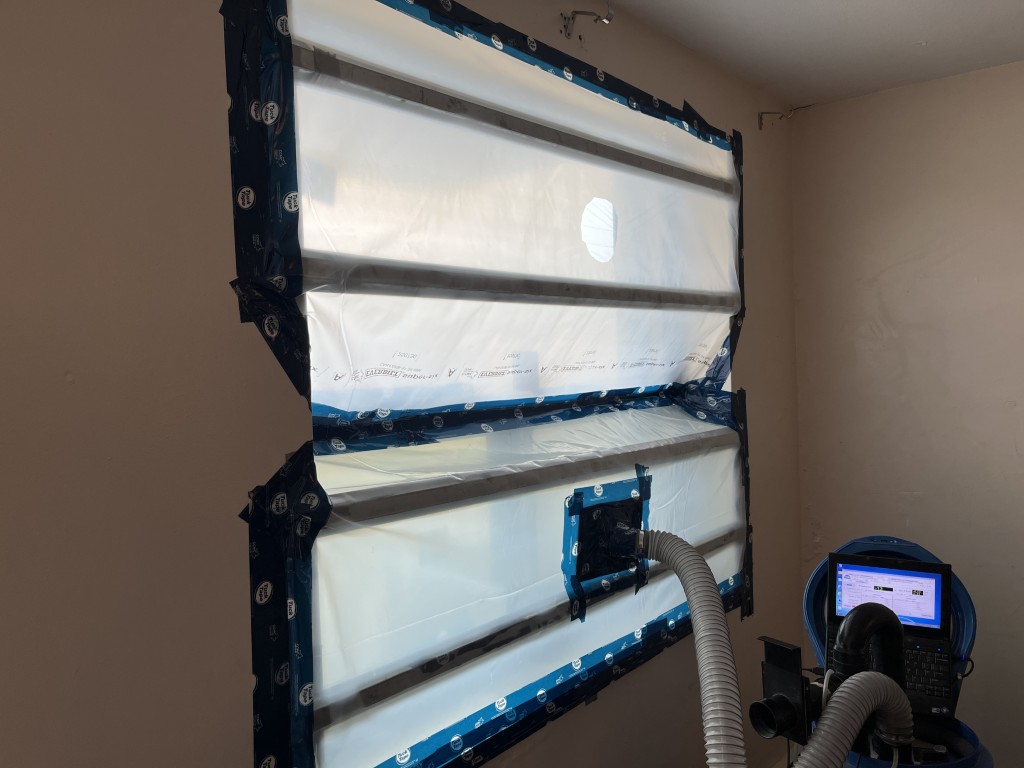
Pretium’s scope on the project included design, construction review, and air and water leakage testing on the window installation mock-up.
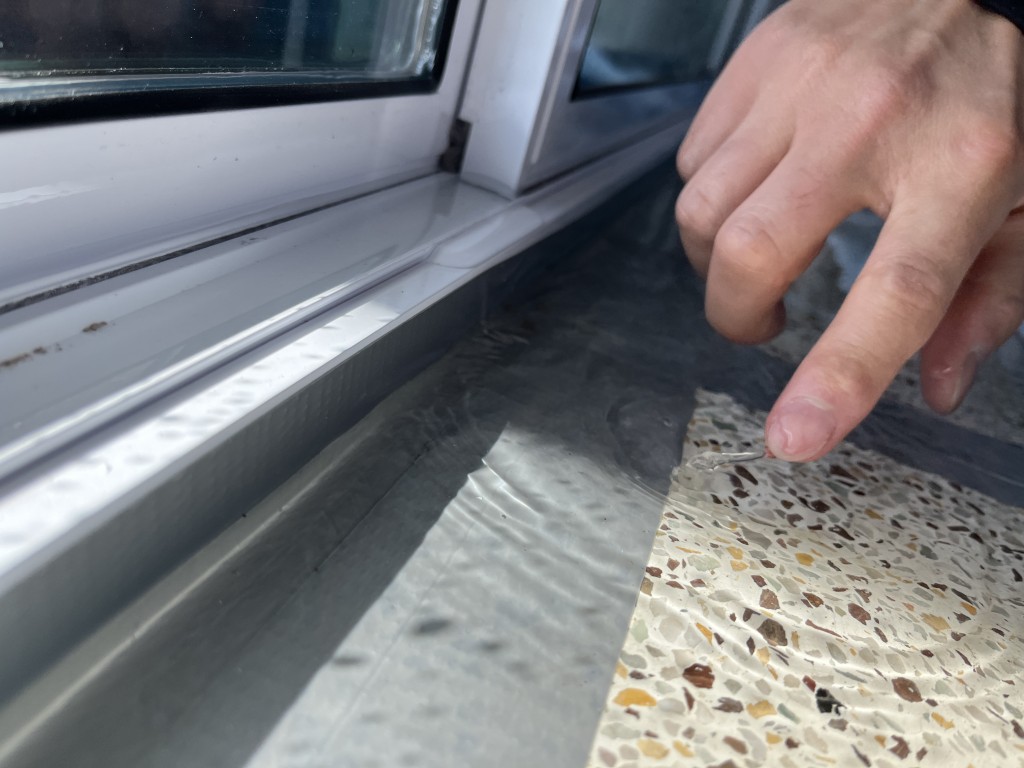
During our first round of window testing, the operable sashes on the mock-up assembly did not pass performance requirements for both air and water leakage. Upon further investigation, we found that sealant was missing between the vertical end cap for the slider sash and the window frame itself – a flaw missed by the manufacturer.
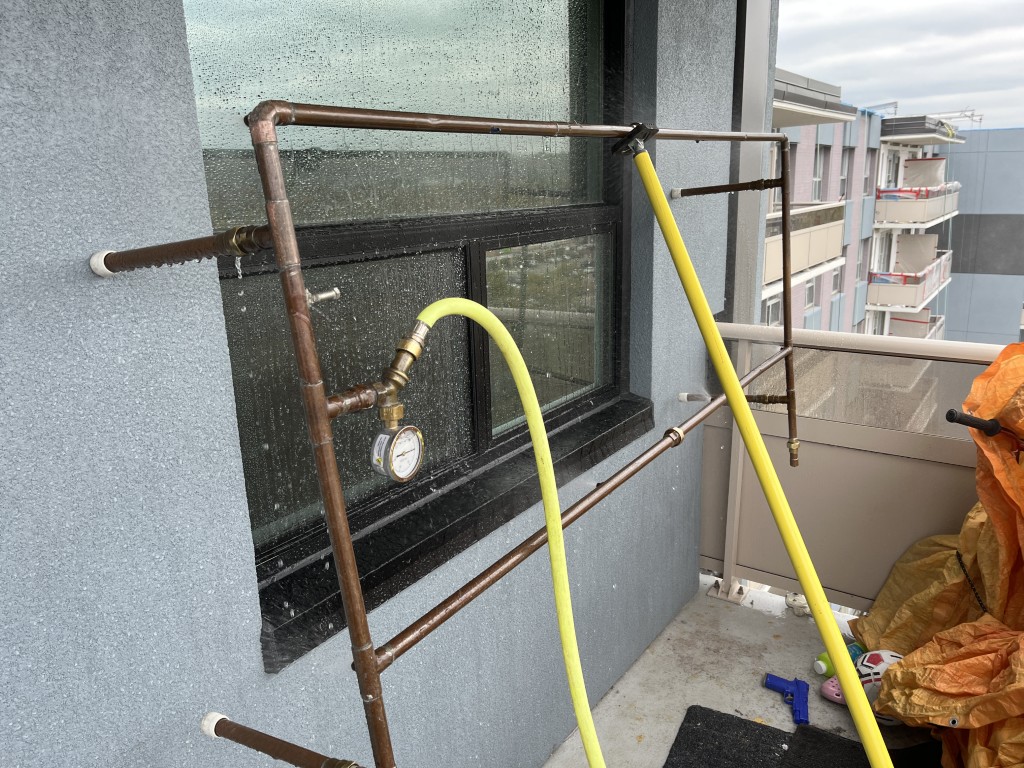
We communicated this to the project contractor, who passed the findings along to their window supplier to make sure factory quality control procedures were improved for other windows in fabrication. Subsequent testing verified that the newer windows had the sealant and performed as intended, free from air and water leaks.
For a fraction of the total construction cost, mock-up testing saved our client from wasting time and money on potentially disruptive investigation and repairs down the road.
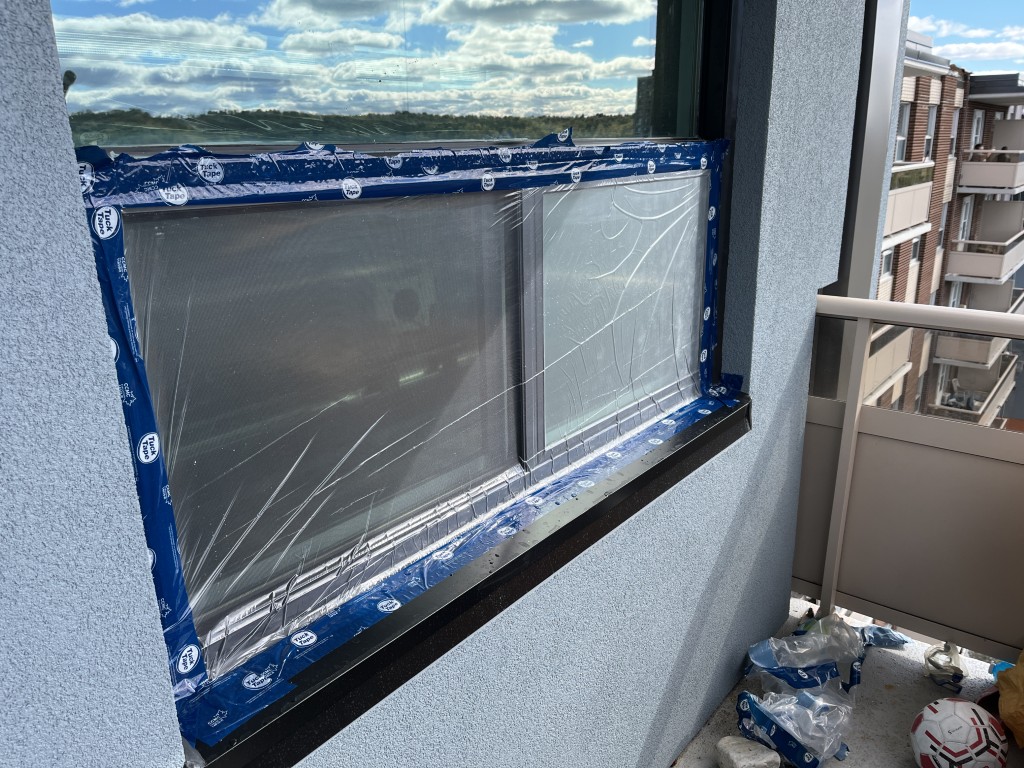
Mock-ups can prevent major headaches during building restoration
Quality control during building restoration shouldn’t be a guessing game. Incorporating early construction mock-ups into the scope of work bridges the gap between design theory and job-site reality, giving clients the certainty they need to move ahead with a project.
A small investment in prototyping may protect client capital and maintain peace of mind as a project progresses.